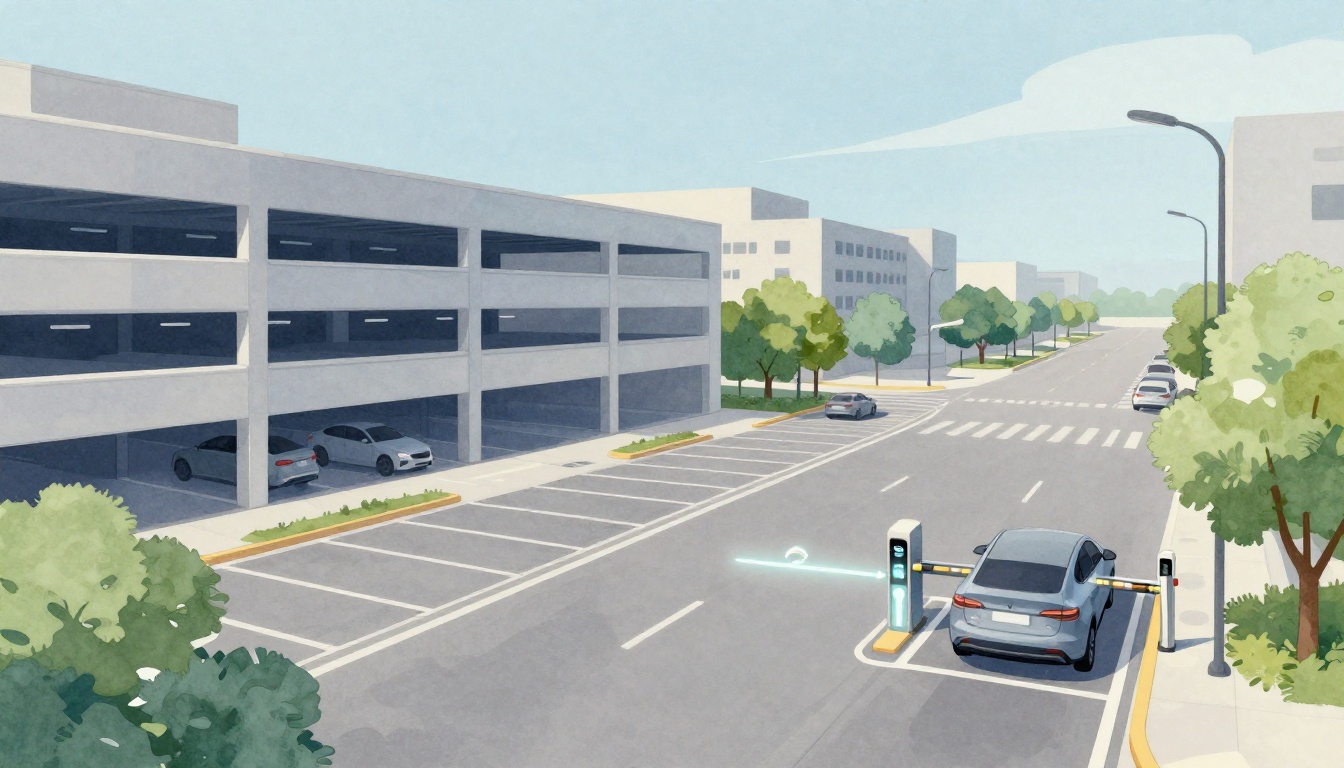
Ever circle the same block three times, then give up and end up parking far away? In busy cities, that frustration hits hard. Especially in March 2026, when more drivers, more events, and tighter curb space push stress through the roof.
A parking management system is the tech that helps parking work like a schedule instead of a guess. It controls access to spaces, handles payments, and tracks which spots are open. As a result, you spend less time searching and operators run the lot with fewer headaches.
In this guide, you’ll get a clear picture of what’s inside a parking management system, how it works from arrival to exit, and what types fit different places. You’ll also see real-world examples from the U.S. and the trends shaping 2026. Let’s turn that parking hunt into something more predictable.
What Exactly Makes Up a Parking Management System?
Think of a parking management system like the brain of a parking area. The sensors and cameras act as eyes and ears, while the software makes decisions. Then hardware handles the “hands-on” parts, like barriers, kiosks, and signs.
At its core, a PMS is a connected setup of hardware, software, and networking. It identifies vehicles, records entry and exit events, and ties those events to billing or access rules. It also tracks occupancy, so your phone, a sign, or both can show what’s open right now.
Here’s why this matters more than ever. Today’s parking problems aren’t just “too few spots.” They’re also messy turn-taking, unclear rules, and slow enforcement. When cars keep circling, traffic builds up. Drivers miss appointments. Businesses lose customers.
In a January 2026 U.S. study by T2 Systems, 66% of drivers waste up to 15 minutes searching for parking. And another commonly cited estimate says drivers lose about 17 hours per year hunting for spots. That time adds up fast, and it also adds wear on roads and air quality from idling.
A typical PMS includes:
- Vehicle detection (so the system knows a car arrived)
- License plate recognition or tag reading (so it knows which car)
- Payment tools (so you can pay without delays)
- Occupancy tracking (so you know which spots are free)
- Enforcement and reporting (so operators can prove what happened)
If you want a clear breakdown of the core pieces, this overview of parking management components is a helpful reference: Parking Management System: Components and Benefits.
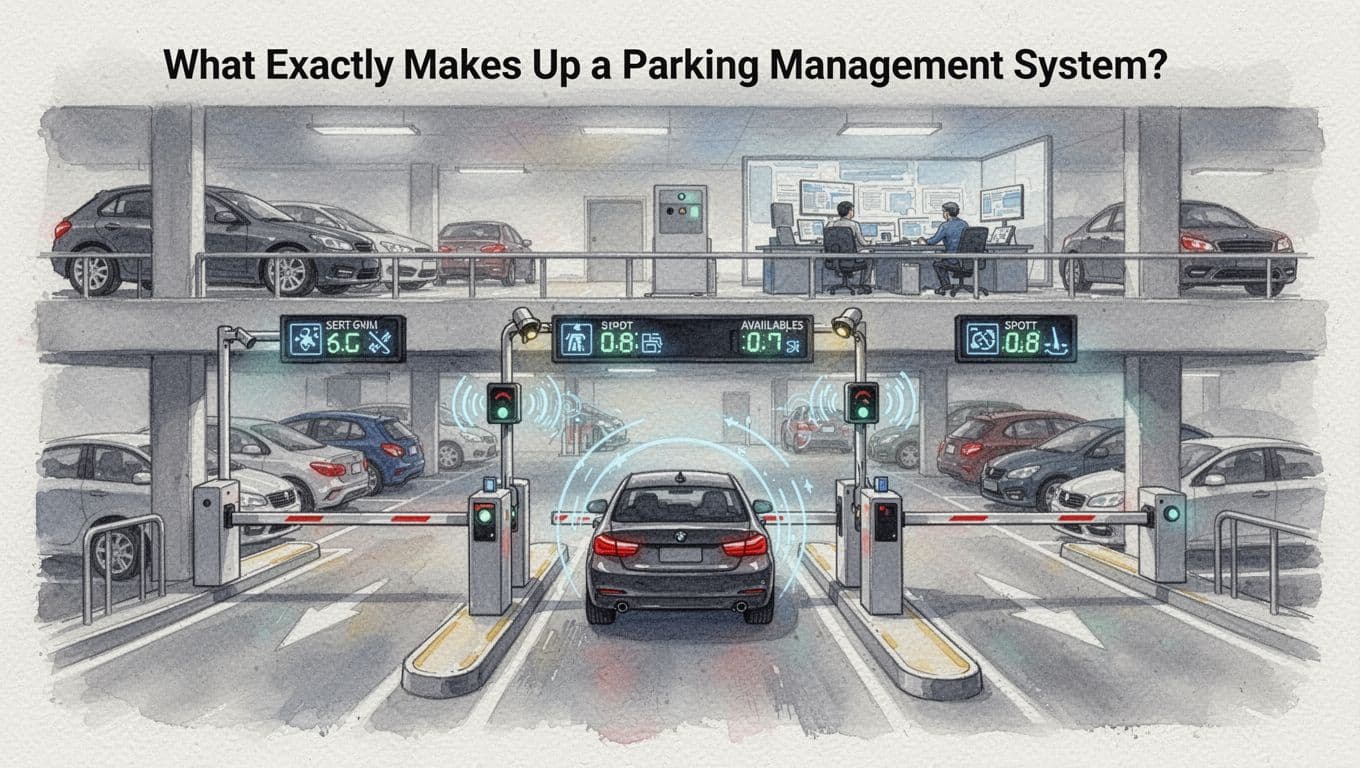
When the pieces work together, the result feels simple. You pull in, the system logs everything, you pay based on time or rules, and you leave without back-and-forth.
How Does a Parking Management System Work Step by Step?
You can picture the flow like a relay race. Each part passes information to the next one, and nothing waits around.
Below is a common step-by-step flow you’ll see across many U.S. deployments. (Different sites use different tech, but the logic stays similar.)
- You approach the area (street or lot), looking for a spot.
- Sensors detect your vehicle and send a signal to the system.
- Cameras or readers identify the car (often via license plate recognition).
- Software checks rules (paid access, permits, time limits, or reservations).
- Gates, kiosks, or terminals respond (open access, collect payment, or guide you).
- You exit, and the system calculates time, applies charges, and logs the trip.
If you like the “workflow” view, this guide describes how systems connect identification, barriers, and management software: How Do Parking Management Systems Work? Technologies, Workflow.
Now let’s zoom in on the three big building blocks that make that relay run.
Sensors and Cameras: The Eyes and Ears of the System
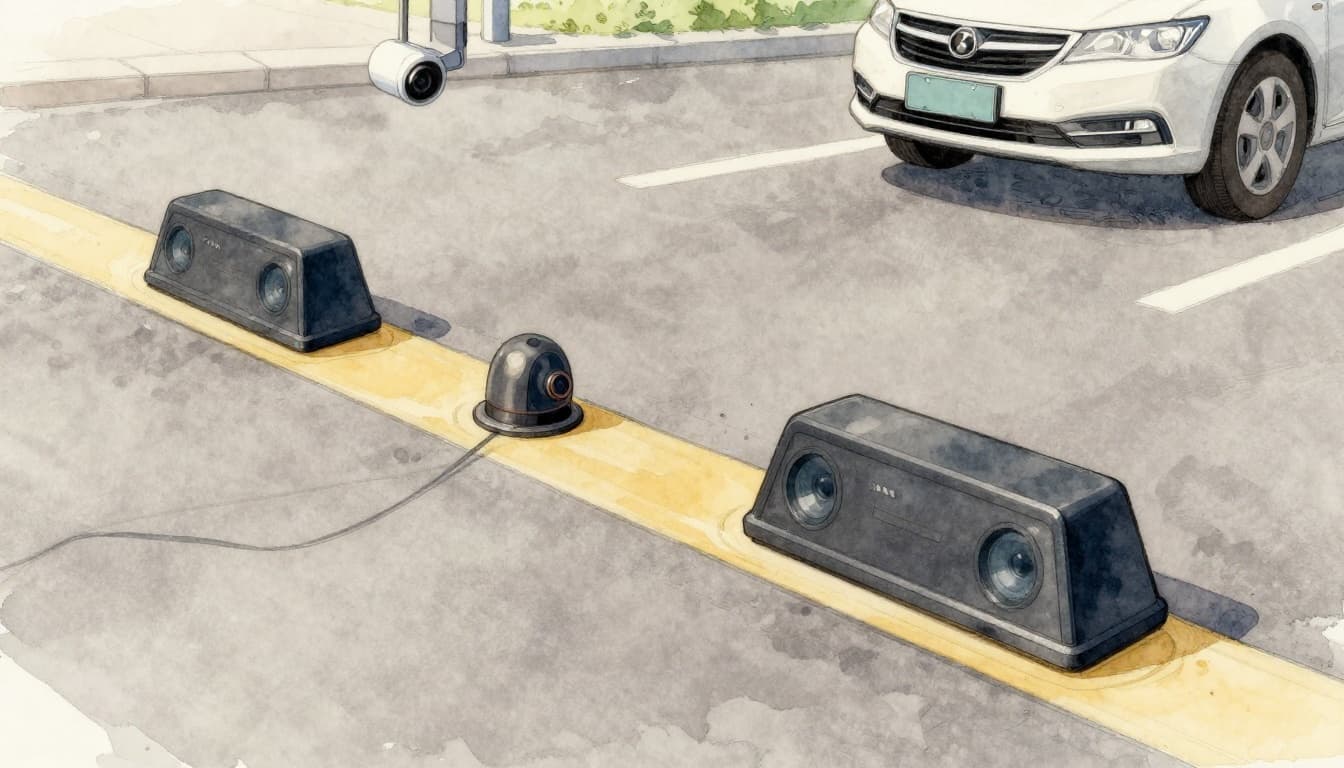
Sensors answer one question: Is there a car here, and did it just enter or leave? They don’t need contact with the vehicle. Instead, they detect motion or presence under or around a parking space.
Common sensor options include:
- Magnetic or loop detection under the pavement (detects a metal vehicle)
- Ultrasonic sensors for short-range presence and distance sensing
- Camera-based detection in some setups (used alongside other inputs)
Cameras and recognition systems handle another job: identifying the vehicle. Many sites use license plate recognition (LPR) or ANPR (automated number plate recognition). In practice, the camera captures plate images, and the system reads them into a record.
Meanwhile, the system logs events like:
- entry time
- lane or gate used
- exit time
- plate match (or mismatch)
- exceptions (like a plate not recognized)
All of that info gets sent to central software right away. So the next part, payment and access rules, doesn’t have to guess.
Software and Apps: The Smart Brain and Driver Tools
Once detection happens, software ties it together. This is where the PMS keeps the “truth” for that parking trip.
Central software typically:
- stores entry and exit records
- calculates fees based on time and rules
- manages permits, zones, and reservations
- generates reports for operators
- sends live occupancy updates
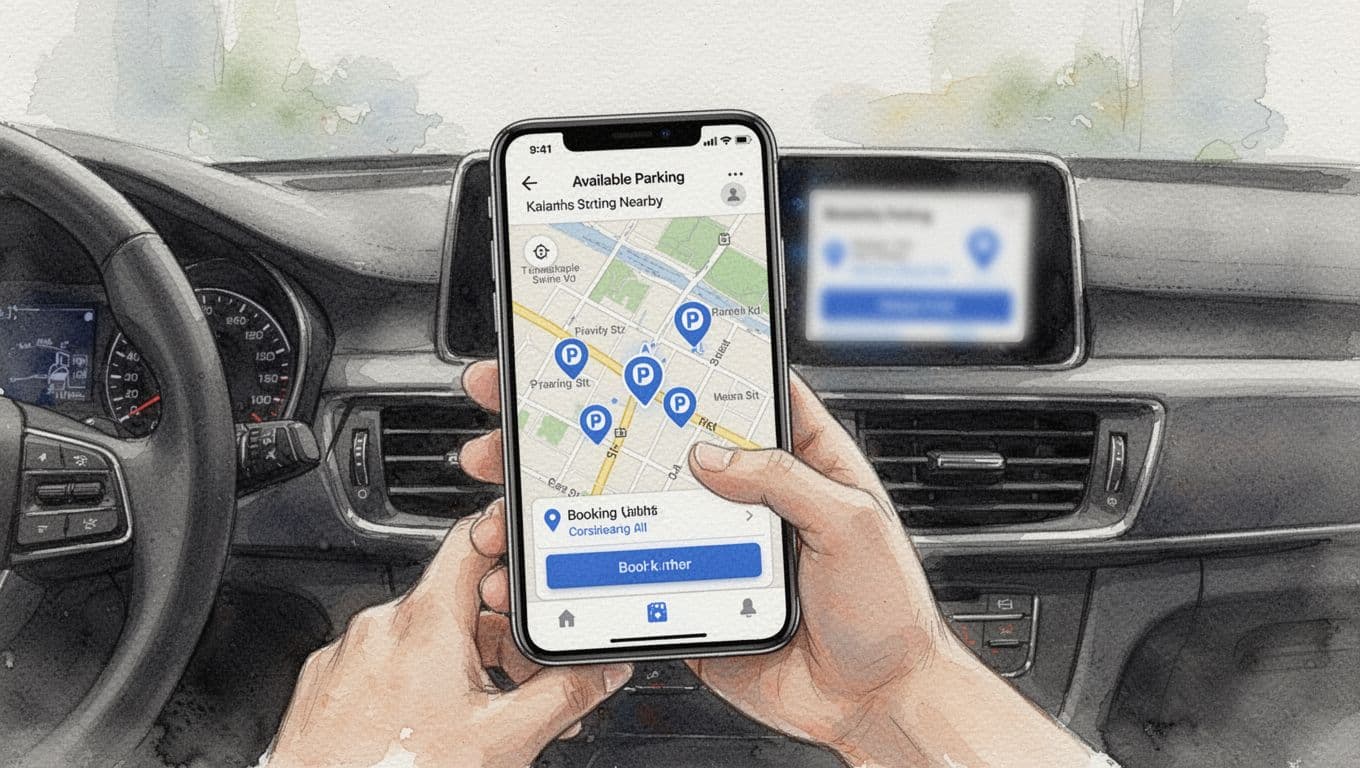
For drivers, apps and web portals turn that data into decisions. A parking app might show:
- open spots nearby (live or near-live)
- directions to the entrance or available section
- time and pricing rules before you commit
- receipts you can save for later
And in 2026, cashless is the norm in many places. Instead of feeding coins, you often pay by card in an app or at a terminal. That matters for speed. It also reduces payment-line bottlenecks at busy weekends.
Drivers usually don’t want a lesson. They just want to park, park legally, and leave on time.
Gates, Terminals, and Signs: Hands-On Control
Hardware closes the loop.
At entrances and exits, barrier gates or turnstiles control access. They open only when the system says it should. That might mean a valid plate match, a paid session, or an approved permit.
For payment, terminals and kiosks handle card payments and confirmations. Some locations rely on pay-by-phone only. Others offer both, especially for visitors who don’t have the app.
Then there are digital signs. They show occupancy and guide drivers to available areas. In some garages, signs point to open levels. On streets, the system can help manage meters or curb zones and support enforcement.
The big win here is traffic flow. When drivers get quick guidance, fewer cars cruise aimlessly. Operators also get more predictable arrivals and departures.
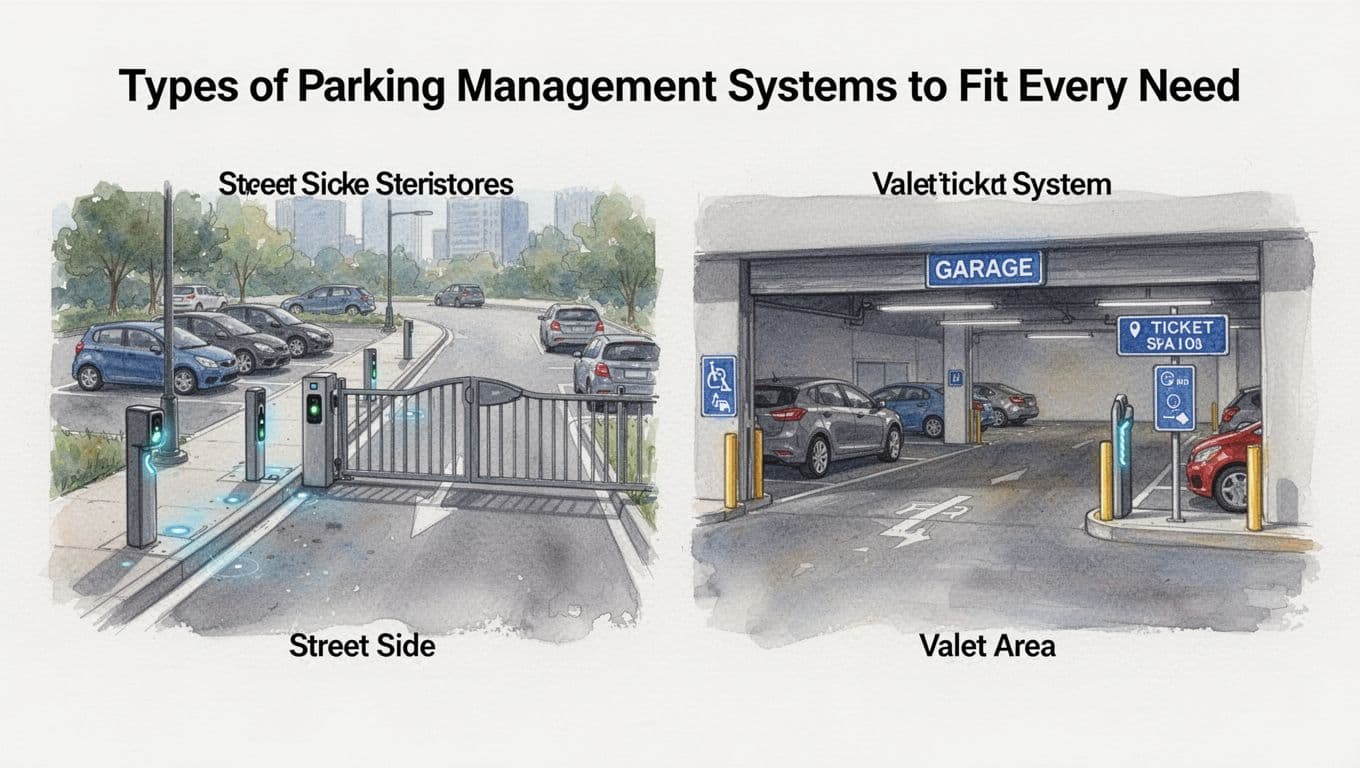
Types of Parking Management Systems to Fit Every Need
Not all parking is the same. A curb outside a stadium needs one kind of tool. A hospital garage needs another. A downtown business might need permits and enforcement rules that change by time of day.
Here’s a quick comparison:
| System type | Best for | What it usually manages |
|---|---|---|
| On-street curb systems | Public streets and curbside parking | Metering, occupancy sensing, enforcement support |
| Off-street lot or garage systems | Private parking lots and garages | Entry and exit control, payments, occupancy reporting |
| Valet and permit systems | Hotels, offices, special access rules | Ticketing or check-in, validation, resident or employee access |
For broader background on how these options differ, this breakdown is useful: Types of Parking Management System.
On-Street Systems for City Curbs
On-street systems focus on curb space. That’s hard space to manage. It’s also the most visible part of a city’s parking experience.
In many setups, sensors help determine which curb spots are free. Apps or signs then guide drivers to the next available area. Cameras may support enforcement by recording time and plate details.
This type of PMS also supports policies like:
- time limits
- zone-based pricing
- permits for residents
- paid parking for visitors
Because street parking changes fast, the software often needs quick updates. A good system can refresh availability often enough that drivers feel like it’s “real time.”
Off-Street Solutions for Lots and Garages
Off-street systems are built for steady, high-volume entry and exit. Garages often need multiple lanes, multiple levels, and clear rules for payment.
In a garage, the system typically:
- identifies cars at entry
- tracks occupancy by level, row, or bay
- handles payment at exit or through kiosks or apps
- logs transactions for reconciliation
This setup is also common in malls and office parks. For operators, reporting becomes easier. They can see peak times, session lengths, and utilization trends.
When done well, the driver experience feels calmer. You don’t fight for a spot in the dark, and you don’t get stuck waiting at an exit lane.
Valet and Permit Systems for Special Cases
Valet parking brings a unique challenge. People don’t park by themselves at the curb. Instead, staff controls movement and storage.
A modern PMS can still help. It may use:
- digital check-in
- license plate capture (or tag reading)
- time tracking for billing
- quick retrieval workflows for staff
Permit systems handle another case. They control which cars can access reserved spaces, resident zones, or employee areas. Often, the system checks permits automatically through readers or LPR records.
For offices, this can reduce confusion. For hotels, it can reduce billing errors. Either way, the system acts like a shared record across staff and technology.
Big Wins: Benefits of Using a Parking Management System
A PMS helps two groups at once: drivers and operators.
Drivers get a faster path to parking. Operators get better control over capacity and rules. Cities get fewer traffic jams from circling cars.
Here are some practical benefits you’ll notice right away:
- Less time searching because availability is clearer
- Fewer conflicts because access rules are consistent
- Faster entry and exit with automated identification and barriers
- Better revenue accuracy since billing ties to logged events
- Stronger reporting for audits, disputes, and planning
- Improved safety thanks to consistent monitoring and access control
- Lower idling time because fewer cars circle
One research-backed angle is how pricing and management affect curb demand. For example, this ITS deployment evaluation summarizes findings from Seattle on dynamic parking management strategies and their effect on access and parking behavior: Dynamic parking management in Seattle.
And for property owners, automated parking can reduce operational strain. Staff spend less time on basic verification, which means more time for real customer help.
The strongest overall takeaway is simple: a PMS turns parking from a hassle into a system.
Real Examples, Smart City Links, and 2026 Trends
In the U.S., parking tech keeps moving from “nice feature” to standard infrastructure. Cities and private operators want clearer occupancy, faster transactions, and better enforcement.
Real deployments show the direction. For example, Virginia Beach rolled out a digital parking approach in a tourist-heavy area to improve management and revenue. You can read more about that shift here: Virginia Beach smart parking real-time insight.
You’ll also see pay-by-mobile systems and guidance tools in downtown areas. The goal is the same, reduce circling and improve turnover. When drivers can see availability sooner, they park faster.
Now let’s look at 2026 trends shaping how these systems work.
AI predictions and dynamic pricing
AI is getting better at forecasting demand. It can predict busy windows based on events, weather patterns, and past occupancy. That can help operators staff better and manage pricing.
Dynamic pricing is also growing in places that can justify it. Prices may rise when demand spikes, then drop when availability improves. It’s similar to how airline or event pricing adjusts to demand.
More cashless payments and mobile-first access
Phone-based payments reduce lines. They also make it easier to handle receipts and session changes. In 2026, more systems aim to be cashless by default, even if they still offer backup options.
License plate recognition becomes more common
LPR helps cars enter and exit without stopping for a manual ticket check. It also supports permit validation and enforcement records. However, operators still need good camera placement and clear processes for exceptions.
EV charging gets tied into parking decisions
EV charging isn’t a separate world anymore. Many facilities now treat EV spots as part of the same occupancy plan. That improves user guidance and helps operators manage both charging and general parking.
Automation and robot valet ideas
Automated parking and robot-assisted valet are gaining attention, especially where space is tight. Some systems also focus on “no-touch” workflows. The driver’s role shifts to booking and identification, not driving deeper into a congested lane.
If you want an industry snapshot of what operators watch this year, this overview of 2026 trends can help: 2026 Parking Industry Trends: What to Watch.
Even with all the tech, the user experience stays grounded. Better detection. Better guidance. Fewer delays.
Ready to ditch parking hunts?
Next time you pull into a busy area, look for the basics: quick guidance, clear rules, and an exit that doesn’t stall. That’s what a parking management system is built to deliver.
If you manage a property, it may be time to compare options by location type (curb, lot, garage, or valet). If you’re a driver, keep an eye out for apps and signs that show live availability. Less circling means less stress, and it starts with smarter parking. Ready to ditch the hunt?