You’ve circled the block too many times. The spot you want is gone, and the next one has a sign you missed at the worst moment.
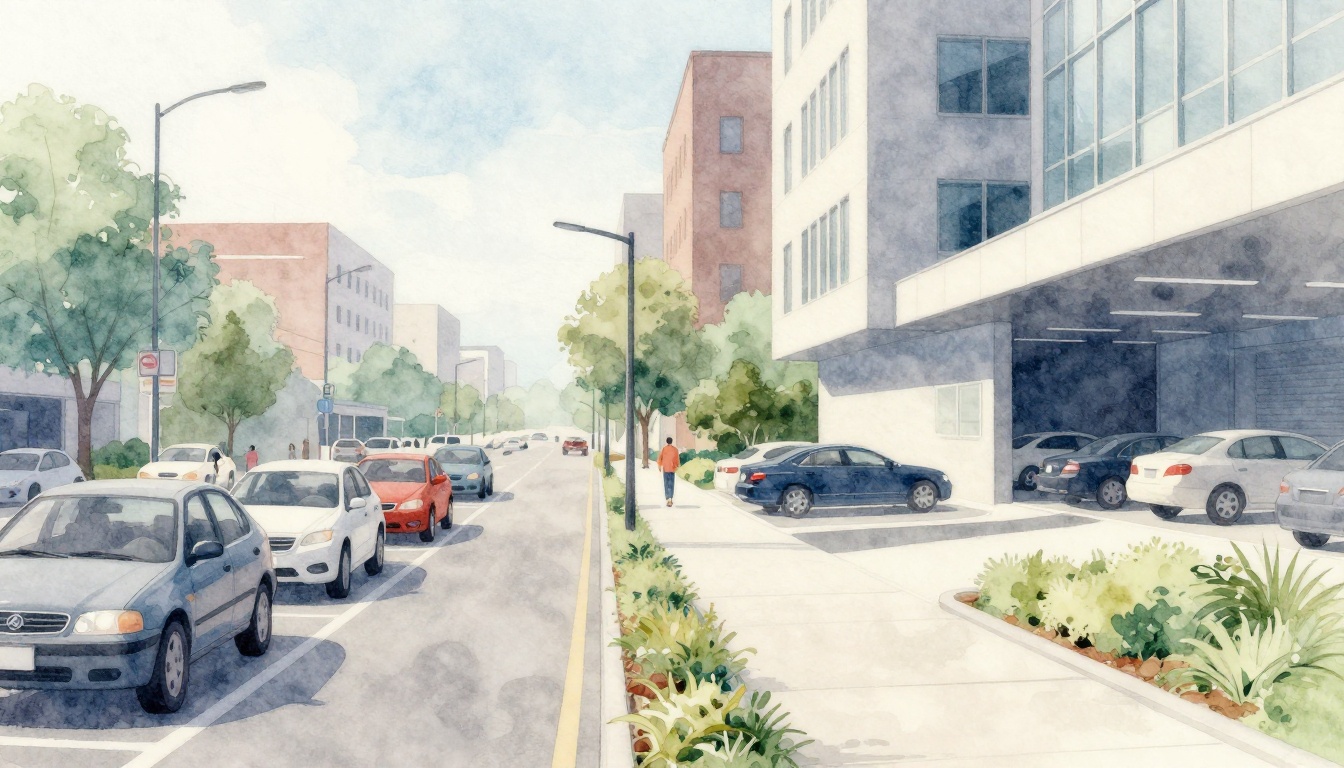
That’s where the difference between on-street and off-street parking matters. On-street parking sits right on public roads, usually along the curb. Off-street parking happens in separate lots, garages, or driveways away from the street.
In real life, this choice affects more than where your car ends up. It changes your walking distance, your odds of finding an open space, and how fast rules apply. It also affects your total cost, especially when meters, permits, or entry fees kick in.
Also, cities are changing. Shared parking, more sensing, and more apps are reshaping how both types work in 2026. The result is that on-street can feel cheaper but more stressful, while off-street can feel safer but cost more.
Next, you’ll see what makes on-street parking feel convenient, what can go wrong, and how off-street options usually trade space for speed. Then you’ll get a clear side-by-side comparison so you can choose the smarter spot for your next trip.
What Makes On-Street Parking So Convenient in Busy Areas?
On-street parking is the curbside stuff you see on city streets. It’s marked by paint lines, signs, or both. You might find parallel spaces, angled spots, metered bays, or permit-only areas.
The big draw is simple: you’re parked close to the place you’re going. When a building, store, or restaurant is right on the street, that short walk feels worth it. In busy districts, on-street parking also tends to start out cheaper, especially when you pay by the hour with a phone app.
Here’s what often feels great about it:
- Close to your destination (less walking, fewer extra errands)
- Low friction to start (park, pay, go)
- Often lower cost than a garage, especially for short trips
- Common payment options (meters, mobile apps, and resident permits)
However, on-street comes with pressure. Spaces can be scarce during commute hours. Time limits also tend to be strict, because the city needs turnover. Miss your window, and you may get a ticket fast.
Also, on-street cars sit closer to traffic and more visible foot traffic. That can mean higher opportunistic theft risk, especially overnight or in poorly lit areas.
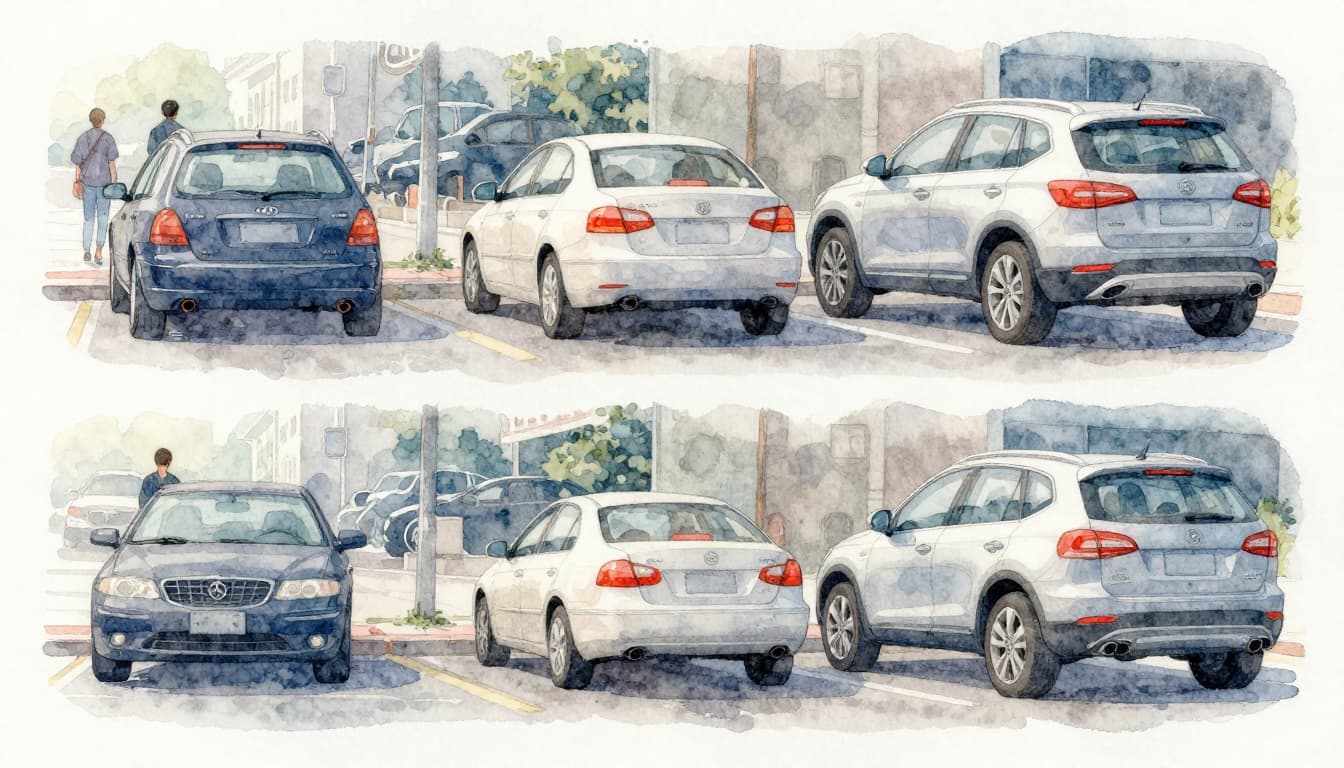
In 2026, demand patterns still favor on-street being “cheap but hard to get.” Realtime city trends show busy areas keep limiting car space for transit, bikes, and shared rides. Meanwhile, off-street facilities grow faster because they can fit more cars with tech and tighter layouts.
If you want an easy refresher on how these categories differ, ParkingMama’s breakdown of on-street vs. off-street parking is a straightforward starting point.
Common Types You’ll Spot on City Streets
You’ll usually see four common flavors of on-street parking:
- Parallel curb parking: The classic setup, best for slow city speeds and narrow streets.
- Angled curb parking: Easier to pull out, often found near retail blocks.
- Metered spaces: Pay by the hour with coins, kiosks, or mobile apps.
- Resident permit zones: Only drivers with the right permit can park there, often enforced by license plate checks.
In downtown business districts, metered zones dominate. In nearby neighborhoods, permit rules protect resident spots and reduce spillover from commuters.
The Upsides and Downsides for Everyday Drivers
On-street parking often wins when your trip is quick. You might need a 10-minute stop, a pharmacy run, or a drop-off. In those moments, the curb is like the “front door” of parking.
Still, crowded areas can turn that convenience into a scavenger hunt. Spaces may look available early, then fill up later. Realtime reports also suggest some office-adjacent blocks can have odd patterns, with more emptiness on days when fewer workers are in town.
Another downside is rule complexity. One block might have two-hour limits, while the next has “no parking” during street cleaning. Even if you know the basics, signs can still surprise you.
Finally, enforcement affects stress. On-street rules often rely on posted signs and meter settings. If you misread a limit or forget to renew, tickets can show up quickly.
As a reality check, on-street parking is often best when you can be flexible. If you’re on a tight schedule, off-street may feel more predictable.
How Off-Street Parking Offers More Security and Space
Off-street parking is the parking that happens away from the curb. Think lots, garages, and sometimes private driveways. Usually, you enter from a road, then park inside a defined area.
This setup changes everything. Off-street facilities can fit more cars in a smaller footprint. They can also control access. Many places use gates, signage, cameras, and lighting to manage who comes in.
That’s why off-street often feels safer and easier during busy hours. You’re not competing with every random curb vacancy. Instead, you’re selecting from a set of spaces designed for high demand.
Off-street also tends to reduce “drive until you find something” energy. Some garages use sensors and display systems to guide drivers toward open rows. In 2026, apps and sensors increasingly support this style of guidance, which helps you avoid circling.
The trade-off is cost and land use. Building or maintaining garages costs money. Cities also debate whether large parking footprints crowd out housing, parks, and other needs.
For example, a Streetsblog Los Angeles report on a UCLA study said required parking for new apartments can add roughly $50,000 to $100,000 per unit. That’s money that could otherwise build more homes. You can read the details in New UCLA Report Looks into the High Cost to Build Parking.
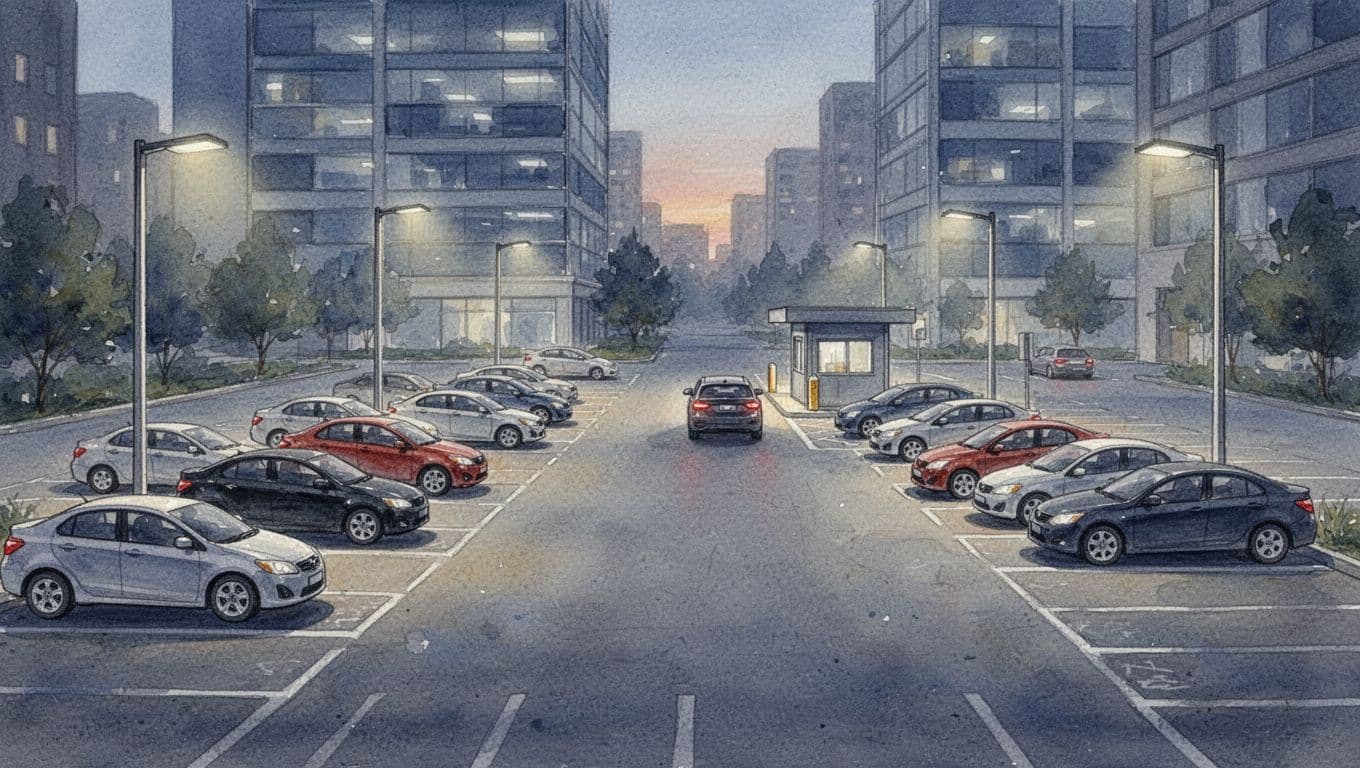
Varieties from Surface Lots to Towering Garages
Off-street parking comes in several common forms:
- Open surface lots: Rows of cars, usually with entry rules and clear lanes.
- Multi-level garages: Enclosed structures that stack cars vertically.
- Gated or private lots: Spaces reserved for customers, tenants, or residents.
- Airport and hospital garages: Designed for higher turnover and predictable access.
You’ll often see surface lots near office parks. You’ll see garages at hospitals, airports, and busy shopping areas. Homes can also count as off-street if they have driveways and separate access.
Pros That Beat Street Parking and Lingering Drawbacks
Off-street tends to win on capacity and control. Wide aisles and organized entry help you park without guessing. Lighting and cameras can also make you feel better about leaving a car behind for hours.
Another benefit is consistency. If you’re heading to a venue, off-street parking usually follows a clear plan. You know where to enter. You know where you’ll walk from.
But there are drawbacks. First, off-street often costs more than curb parking. Some lots charge per hour. Others charge flat rates. In popular areas, the difference can feel steep.
Second, off-street can create land pressure. When cities plan for lots and garages, they may reduce room for housing and neighborhood amenities. That can raise costs indirectly, because land is limited.
Finally, entry can create delays. If a gate is slow or payment systems break down, you might wait in a line. Still, this tends to happen at predictable times and places.
Head-to-Head: Costs, Rules, and Real Differences That Affect You
So, which one should you pick? Start with a simple question: do you want speed or certainty?
On-street parking can be cheaper, but it’s usually harder to find when demand is high. Off-street parking costs more, but it often gives you better odds of getting in quickly.
Rules are another big divide. On-street parking depends on posted signs, meter timers, and permit rules. Off-street rules often involve gates, reservations, or entry tickets.
Also, enforcement style differs. On-street enforcement can feel “everywhere at once,” because any curb block can have different limits. Off-street enforcement often focuses on one controlled entry point and a defined area.
If you want a deeper look at how enforcement changes between these systems, Precise ParkLink’s guide to permits and enforcement explains the basic logic clearly.
Here’s a quick side-by-side recap of what usually matters most:
| Factor | On-Street Parking | Off-Street Parking |
|---|---|---|
| Location | Right on public roads | In lots or garages away from the curb |
| Finding a space | Often tough in peak hours | Usually more predictable capacity |
| Typical cost | Metered or permit based | Often higher hourly or flat fees |
| Rules you’ll follow | Signs, time limits, street cleaning | Entry rules, reservations, ticketing |
| Ease of access | Quick walk when you get lucky | Clear entrances, organized aisles |
| Risk feel | More exposure and visibility | More controlled access and lighting |
Take this seriously when planning a trip. If you’re going to an office district on a weekday, off-street can save time. If you’re running a short errand near a restaurant, on-street might still beat the garage fee.
A Real-World Example of How Pricing Changes
Pricing can shift fast from city to city. For instance, reports from Atlanta show on-street meter prices can rise based on demand and enforcement goals. The Atlanta Journal-Constitution reported that Atlanta approved an increase for drivers, with an hour at one of the city’s metered spaces set to rise to $3.50 from $2. You can see that coverage in Atlanta set to raise on-street parking costs.
That kind of move narrows the price gap between curb and garage. When it happens, your “cheap parking” assumption can break.
Availability Trends in 2025-2026 (Why It Feels Different Now)
In many U.S. cities, on-street parking availability stays limited. Street space gets reallocated for bikes, transit, and shared rides. At the same time, garages and lots expand faster because they can store more cars in less visible space.
Realtime trend notes for 2026 also highlight sensors and apps. Some garages can pack cars more efficiently with vertical design and organized layouts. Meanwhile, on-street demand can spike around office schedules. Some areas even show higher emptiness on quieter days, which makes timing matter.
This is why many drivers start checking apps before they leave home. In short, on-street is still convenient, but off-street is often the more reliable plan when you need it.
Parking’s Big Picture in Cities and What’s Changing by 2026
Parking is changing for a reason. Cities want fewer circles around blocks and fewer empty lots sitting all day. At the same time, they face hard trade-offs between car storage and other land uses.
On-street parking can cause congestion when drivers cruise for curb spots. If too many people search for limited meters, traffic builds. Off-street parking can reduce that searching, because garages and lots manage entry and space.
However, off-street has its own city cost. Big parking lots add pavement. They can raise surface heat and worsen stormwater runoff. In addition, land devoted to parking can mean fewer spaces for housing and parks.
That’s why a lot of cities are rethinking parking minimums and requirements. The American Planning Association’s Eliminating Parking Minimums trend page notes that more than 1,400 cities have eliminated parking requirements in some form, and at least 40 have reduced or abolished them citywide. The point is to reduce forced parking building and make room for other uses.
Here’s a key takeaway for 2026 drivers:
Your choice isn’t just personal. It’s part of how your city manages space.
You’ll likely notice more shared parking too. Offices may share spaces based on daily or weekly patterns. With more sensors and smart rules, parking use can shift to where demand actually happens. Shared lots and garages can also lower the total parking footprint a city needs.
Meanwhile, apps keep getting better at guiding you. Instead of guessing, you can often pay by phone, reserve a spot, or follow real-time availability. That makes off-street feel less like a gamble.
So what should you do with all this?
First, match your parking type to your time. If you have time to hunt, on-street might work. If you’re on a schedule, go off-street.
Next, check local rules before you park. Street cleaning, permit zones, and event signage can ruin your day fast. And if you rely on curb parking, pay attention to your time window, not just the meter price.
Finally, accept that cities will keep shifting. The “right” parking choice in one neighborhood might flip in another within the same city.
Conclusion: Choose the Right Spot for Your Trip, Not Just Your Preference
The difference between on-street and off-street parking comes down to trade-offs. On-street is usually best for quick stops, short walks, and lower starting costs. But it can feel stressful when spots are scarce or rules change block by block.
Off-street parking usually offers more space, better control, and more predictable entry. The cost can be higher, yet the time savings often matter on busy days.
Before you park next time, check the local signs and rules. Also, use the apps or systems your city supports, because 2026 enforcement and availability tend to be more “system-based” than “hope-based.”
If you’ve had a great curb spot or a smooth garage entry, share it. What kind of parking usually saves you the most time in your city?