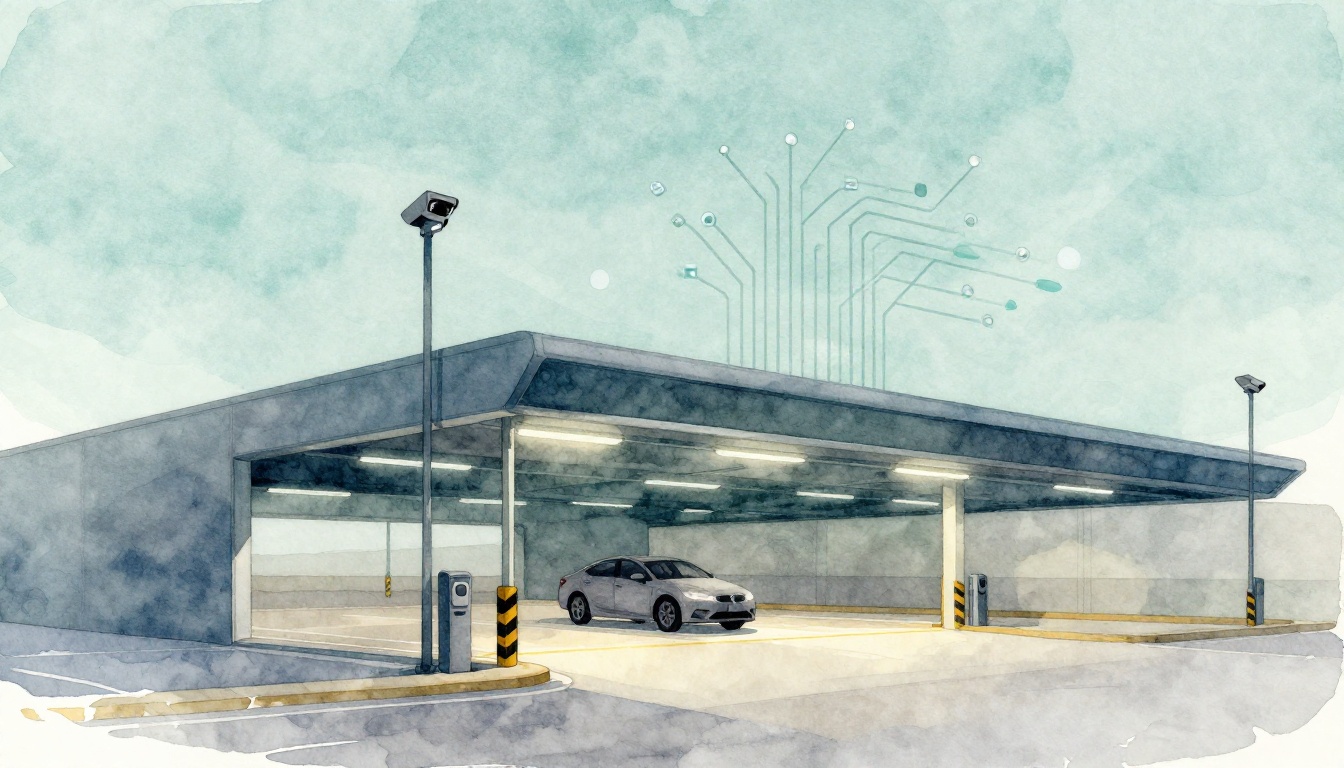
You’ve circled the lot for what feels like forever. You burn time, you burn gas, and you still might not find a spot. That frustration is exactly what a parking management system is built to solve.
Modern parking setups reduce that “hunt for a space” feeling by using smart hardware and clean software. Operators get better control, faster turnstiles, and fewer headaches. Drivers get clear guidance, quick entry, and easier payment.
A lot of the magic is in the details: gates, sensors, cameras, payments, and the software that ties it all together. When those pieces work as one unit, parking runs smoother and can increase revenue through better occupancy.
Next, you’ll see how the physical components handle entry, detection, and payments. After that, we’ll cover the software side, then finish with the key features that make parking feel effortless.
Hardware That Powers Entry, Detection, and Payments
A parking lot without the right hardware is like a restaurant with no kitchen. Cars can arrive, but the system can’t “know” what’s happening, and it can’t respond fast enough.
Most parking management systems use automated access control, reliable spot detection, and fast payment capture. Together, these parts reduce bottlenecks at the entrance and minimize time spent cruising.
If you want a straightforward walkthrough of how parking management systems are typically designed, see a complete guide to parking management systems.
Here are the common hardware components you’ll find in real lots:
- Gates and barriers that open for the right vehicles.
- Sensors and cameras that detect occupancy and vehicle presence.
- Payment kiosks for on-site cards and contactless payments.
- RFID or NFC readers for quick taps (often for members or prepaid users).
- Smart signage that shows where spots are open (real-time guidance).
Gates and Barriers for Controlled Access
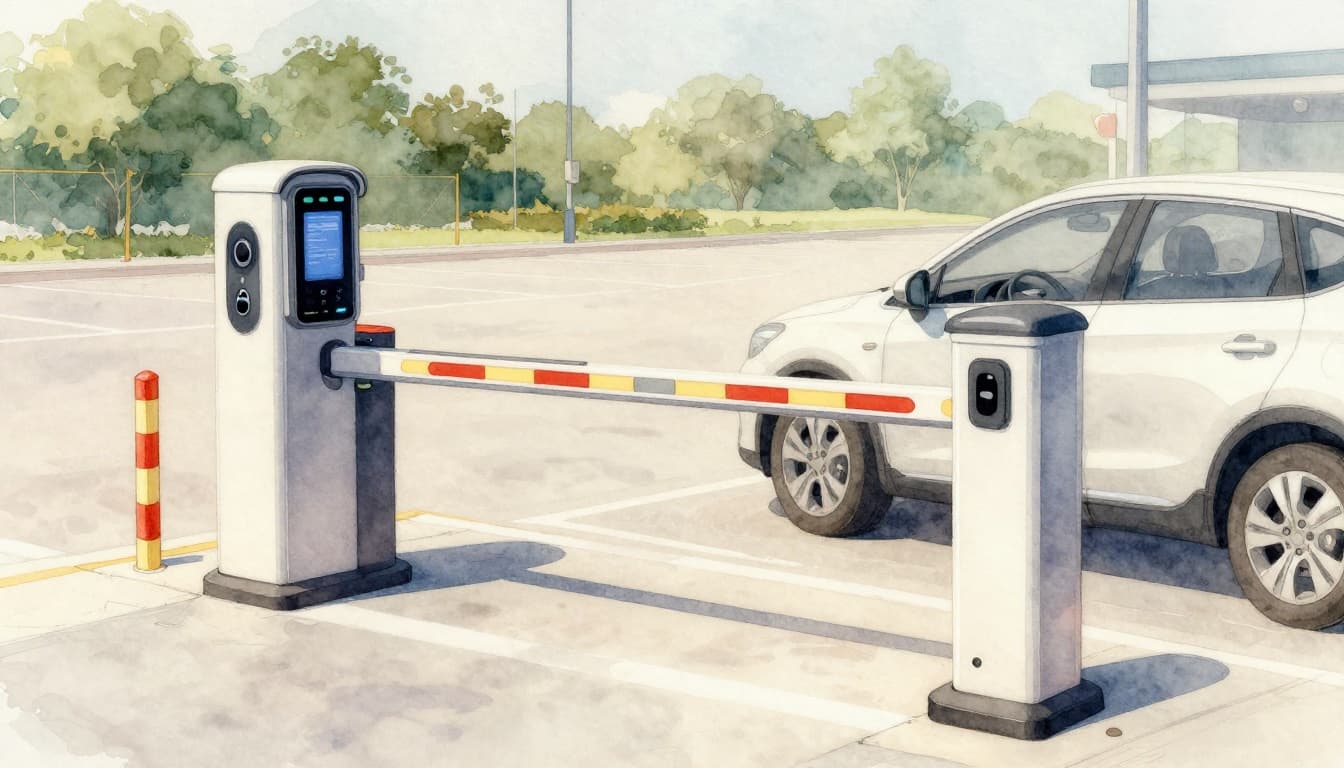
Gates and barriers control who enters and when. They usually connect to a control box that checks a vehicle’s access method.
Most setups work like this: you arrive, the system reads your entry ticket, plate, or mobile authorization, then the barrier lifts. When you leave, the exit gate verifies payment or permit status.
This component matters because it prevents unauthorized entry. It also speeds up flow. When drivers don’t wait for a person to confirm tickets, the line stays shorter.
A practical example is event parking. During peak arrival time, staff can’t stand at every lane. Automated access helps keep traffic from backing up onto the road.
Sensors and Cameras for Spot Tracking
Once a car is inside, the system needs to answer one key question: is a spot open right now?
Traditionally, per-spot sensors were common. Each parking space had hardware that counted occupancy. Those systems can work well, but they add cost and maintenance because there’s more equipment in the ground.
In 2026, many operators increasingly prefer camera-based detection for better cost control. Cameras can cover wider areas, and software can interpret what it sees. For vehicle identification, ANPR or ALPR cameras read license plates with strong accuracy.
A lot of ticketless workflows depend on that plate reading. For a detailed look at how ALPR is replacing manual ticketing, check ALPR for parking management and ticketing changes in 2026.
Here’s what the detection hardware typically enables:
- Real-time occupancy tracking (which spots are taken, which are open).
- Faster entry and exit (less fiddling with paper tickets).
- Better enforcement (the system logs access based on actual vehicles).
- Operational insights (peak times, turnover rates, and demand patterns).
Cameras and sensors also connect to IoT systems in many deployments. That means the lot sends live updates to the software platform, instead of relying on slow manual checks.
In the U.S., AI-driven parking is growing fast in 2026, with a big focus on cutting search time for drivers and improving how operators price and manage space. Some states and parks are rolling out systems to reduce congestion at entry points, such as recent parking system rollouts in 2026 for faster entry.
Payment Stations and Contactless Options
Payment hardware turns parking from “managed” into “finished.” If payment is slow or clunky, drivers get stressed, and operators lose money.
Most lots include payment kiosks near exits or in easy-to-reach areas. These let drivers pay with cards, and many now support contactless options too. That matters because people want fewer steps, not more.
For some setups, drivers pay using:
- RFID or NFC taps (common for memberships, frequent users, or prepaid accounts).
- Mobile payments through an app (scan, pay, and go).
- Ticket plus pay workflows (if a vehicle uses a physical ticket or code).
Since parking management got a big hygiene push after 2020, contactless features help reduce touch points. Plus, mobile-first payments reduce staffing needs at peak times.
On the operator side, payment kiosks also improve consistency. Instead of “who’s on shift?” deciding how payment happens, the system follows one set of rules.
Software Brains Connecting It All
Hardware is the body. Software is the brain.
The software side of a parking management system connects everything: gates, cameras, sensors, and payment. It also turns raw data into actions, like opening a barrier or updating a driver’s view of availability.
Think of it like a traffic controller. Cars come in, the controller checks the plan, then it directs the next move.
The main pieces you’ll hear about are:
- a central management platform
- mobile apps for drivers
- analytics tools for operators
Together, they enable real-time parking decisions.
To better understand how software and workflows support these systems, this overview of parking management system components and benefits is a helpful reference point for common architecture patterns.
Central Platform for Full Oversight
A central platform gives operators control without standing in a booth all day.
From one dashboard, staff can monitor live occupancy, confirm payments, and review lane events. If something goes wrong, they can investigate logs and spot issues quickly.
Common functions include:
- Remote monitoring of gate status and sensor health
- Reporting for revenue, utilization, and violations
- Rules management for zones, hours, and access types
- Integration support with other systems (like enforcement or billing)
This is where automation becomes practical. Instead of calling someone to check a sensor reading, the system flags anomalies. As a result, lots lose less time to downtime.
User-Friendly Mobile Apps
Drivers don’t want to guess. They want directions.
Mobile apps usually provide:
- Find-a-spot maps showing open areas
- Pay in advance or extend time from the phone
- Reservation access for garages and event lots
- Guidance that routes drivers to the nearest free spaces
When the app links to real-time occupancy data, drivers stop circling. That’s not a theory. It’s what happens when the system can update availability instantly.
In many U.S. cities, this app-style workflow has become the norm for busy campuses, stadiums, and mixed-use sites.
Analytics Tools for Smart Decisions
Here’s where operators gain real money, not just convenience.
Analytics can show:
- when occupancy spikes (by day and hour)
- how long vehicles stay
- where bottlenecks form
- which pricing or permit plans perform best
With those patterns, some systems can use real-time or near-real-time data to support dynamic pricing. In other words, rates can change when demand changes.
If you want examples of how pricing software supports real-time decisions, look at best parking software for real-time pricing.
Another common trend in 2026 is AI-based pricing engines that adjust based on demand, events, and history. For a focused look at AI pricing logic, see AI pricing software for parking and dynamic rates.
The biggest win is simple: better utilization. When more of the lot stays filled, operators earn more per square foot. Meanwhile, drivers spend less time hunting, because the system pushes them toward the best available areas.
Key Features Turning Parking into a Breeze
Hardware and software only matter if they create a better experience. That’s why the best parking management systems include features that drivers notice immediately.
You’ll usually see a mix of real-time guidance, cashless payment, security logs, and pricing controls.
Below is a quick picture of what these features change for everyday use.
| Feature drivers feel | What it does for the lot | Why it matters |
|---|---|---|
| Real-time occupancy updates | Shows open spots instantly | Less circling, fewer complaints |
| Reservations and pre-pay | Locks access before arrival | Better arrivals, less congestion |
| Cashless entry and exit | Speeds up lanes and reduces touch points | Faster flow and fewer staffing needs |
| Security and logs | Tracks vehicle activity and payment status | Easier dispute handling |
When these features work together, parking feels planned, not chaotic.
A good list of common operator-facing feature expectations is also covered in key features for a future-ready parking management system.
Real-Time Updates and Reservations
Real-time updates are the “stop circling” feature.
Instead of saying “Parking is available,” the system shows what’s available now. Smart signs and app maps can highlight open areas and guide drivers directly toward them.
Reservations take that one step further. They let you book a time window or guarantee access in advance. For venues, that can reduce overflow when demand is high. For daily commuters, it can reduce the stress of arriving at the wrong time.
In 2026, more lots also support AI-based demand predictions. That means the system can anticipate busy periods, then improve routing, signage, or pricing before traffic builds.
Picture this: it’s a concert night. Instead of everyone arriving at once, the system can steer people to less crowded sections. As a result, entry lines clear faster.
Security and Dynamic Pricing Perks
Parking security is more than cameras in the dark.
A parking management system logs vehicle entry and exit events. It also connects gate activity to payment status and configured rules. That creates a clear record when disputes happen.
Security features can include:
- Vehicle logging based on plate reads or authorization tokens
- Surveillance support that helps verify incidents
- Alerting for unusual patterns (like repeated unpaid access attempts)
Then there’s dynamic pricing. When rates adjust based on demand, operators can manage supply. In plain terms, the system can charge more when the lot is full, then bring prices down when demand drops.
That helps both sides. Drivers who need parking still find it. Operators earn more revenue during peak periods without wasting empty space during slow times.
In addition, sustainability can improve indirectly. If drivers find spots faster, there’s less cruising. That means fewer idling minutes and less wasted fuel.
Conclusion
A parking management system works best when three things line up: hardware for access and detection, software for live control, and features that help drivers right away.
Gates and barriers regulate flow. Cameras, sensors, and ANPR read what’s happening. Payment kiosks and contactless options finish the transaction quickly.
Then the software connects it all, turning live data into real decisions. With 2026 trends like AI forecasting and smarter detection, parking keeps getting easier to use.
If you’re evaluating a system for your lot or city, start by mapping your biggest pain point: entry lines, spot availability, or payments. Which part hurts the most today?