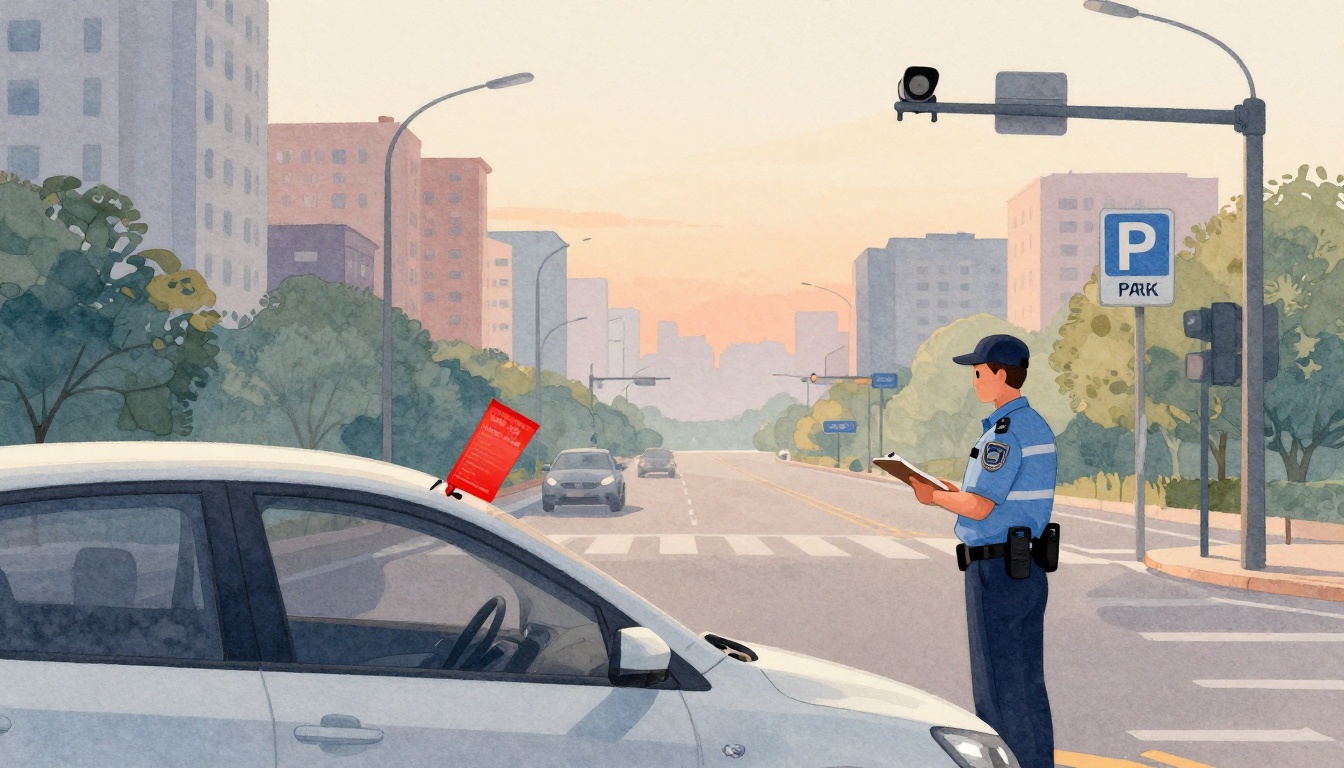
Getting a surprise parking ticket feels personal, even when it isn’t. You pulled over for “just a minute,” then later you see a notice on the windshield. Suddenly you’re hunting for rules, payment options, and deadlines.
Cities handle parking violations with strict systems that keep streets moving and curb space fair. They also aim to reduce unsafe parking, like blocking fire hydrants or creating traffic problems during street cleaning. To make it work, most cities combine people, cameras, and mobile tools.
If you drive in a big city, you’re not alone. New York City alone issued about 15.5 million parking tickets and camera violations in FY2022 (and the city’s current-year totals keep moving). That scale means enforcement has to be fast, trackable, and consistent.
This guide breaks down how cities spot violations, how tickets happen, and what you can do next. You’ll learn how enforcement works behind the scenes, how to pay or dispute without mistakes, and why late steps can snowball into bigger costs. You’ll also see clear differences across NYC, Los Angeles, Chicago, and San Francisco, since each place runs its process a little differently.
How Cities Spot Your Parking Mistake Before You Know It
Most drivers assume enforcement starts after you park. In reality, it often starts with patterns, timing, and quick checks.
Street signs matter, but so do location rules. Many violations happen at specific times, like street cleaning windows or meter-only hours. That’s why cities build enforcement around what’s visible and what can be logged fast.
In 2026, enforcement is getting more tech-heavy, too. Cities increasingly lean on apps, license plate readers (LPR), and automation that helps them process cases without waiting days for paper work. The goal is simple: improve compliance, collect reliably, and keep streets usable.
Street Patrols: Officers on the Ground
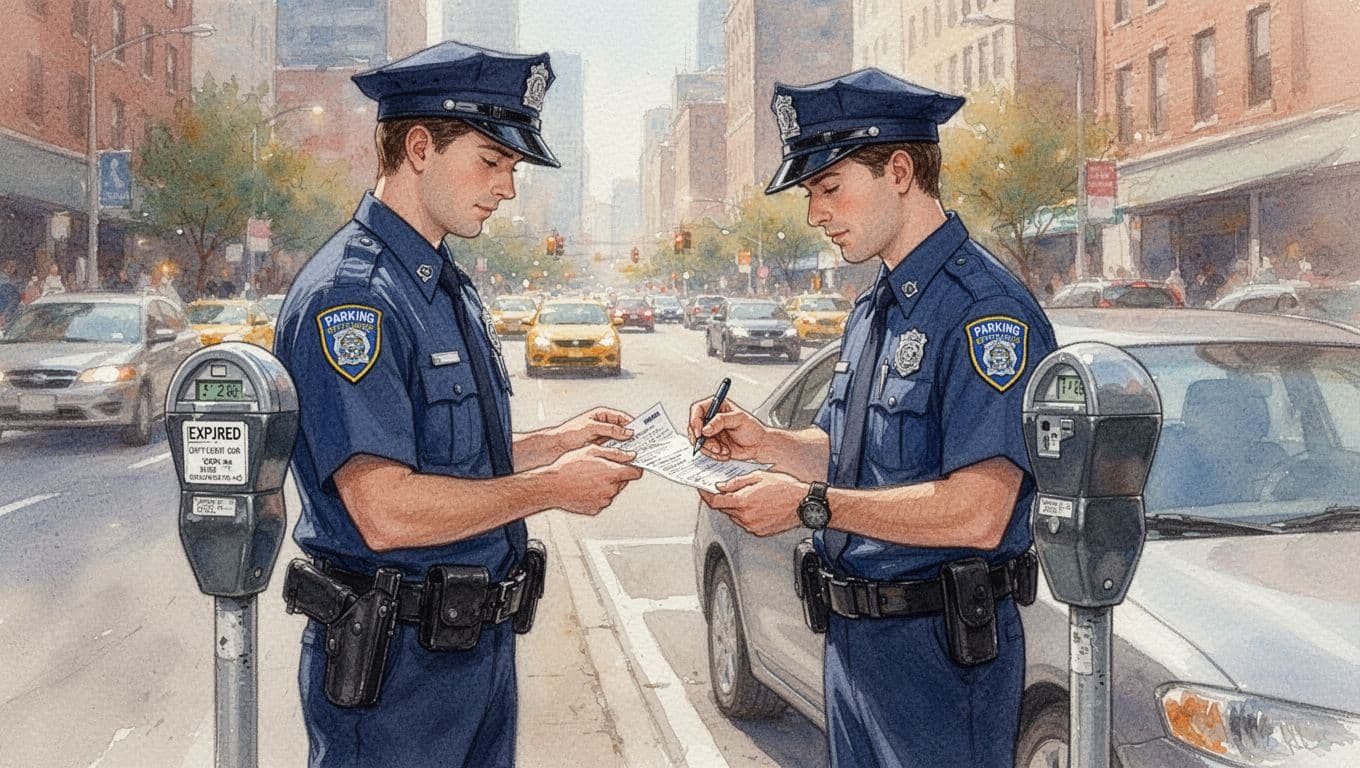
Even with cameras everywhere, officers still play a major role. Many violations get caught by enforcement personnel doing routine passes through busy areas.
They look for common issues, like:
- A car in a posted no-parking zone
- A meter that ran out
- A vehicle parked where it blocks safe access
- A missing receipt (when required for the zone)
In New York City, for example, enforcement staff help manage street cleaning and meter compliance. In Los Angeles, officers handle real-time issues in high-demand areas. In San Francisco, patrol staff often focus on zones where parking changes frequently. In Chicago, enforcement crews also rely on fast on-street checks so they can document details while the vehicle is still in place.
These patrols also protect safety. Officers have to stay alert for traffic and keep a safe distance from fast-moving lanes. It’s not just “ticket time.” It’s documentation, observation, and careful logging.
Cameras and Smart Tech Stepping Up
If street patrols are the first net, cameras are the second. Automated enforcement can spot problems when an officer isn’t there.
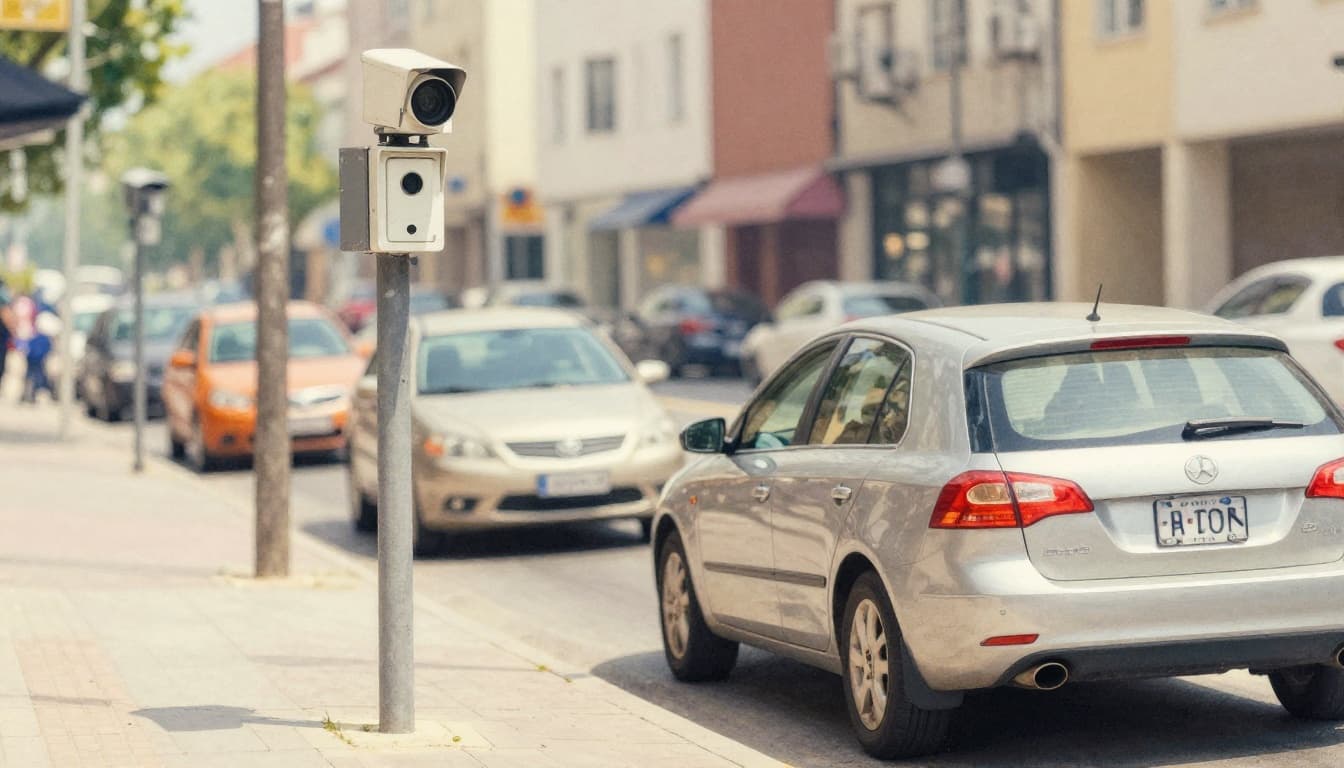
A common setup uses license plate recognition cameras. These can scan passing and parked vehicles, then match plates against rules for a zone. For example, if the system identifies a plate tied to a violation type (like no-parking rules), it can trigger a notice for the registered owner.
San Francisco and many other cities also rely on tech for large-volume areas. The big reason is scale. One city might see thousands of vehicles per day in dense neighborhoods. Cameras help keep enforcement consistent without doubling staff.
Los Angeles is also leaning into automated approaches. In general, 2026 trends across US cities point to more LPR, more app-based workflows, and more automation that cuts down on manual steps.
From Violation to Ticket: The Quick Process Cities Use
Once a violation is spotted, enforcement moves fast. Cities need clear records, because they’ll either collect payment or handle appeals. That means good data matters as much as speed.
Here’s the typical flow, in plain steps:
- Violation is observed (by an officer) or detected (by camera systems).
- The city records key details, like location, time, plate number, and violation type.
- If an officer is present, a citation is issued on-site (often on paper).
- If a camera is involved, the system builds a case and sends a mailed notice to the registered owner.
- The case enters a payment and dispute system, with deadlines that you have to follow.
In New York City, paper citations issued on-street are part of the mix, while camera violations also generate notices. The city also publishes detailed data for parking violations, which helps researchers and drivers understand enforcement patterns. In 2026, many cities also update their systems so cases move quickly from detection to payment portals.
Because the flow is automated in some places, you might see a ticket before you realize anything happened. That’s especially common with camera enforcement and zones with tight timing.
Pay It or Dispute It: Simple Ways to Handle Your Fine
After you get a ticket, your next choice matters. The fastest path is usually to pay. But if the ticket feels wrong, disputing can be your best move.
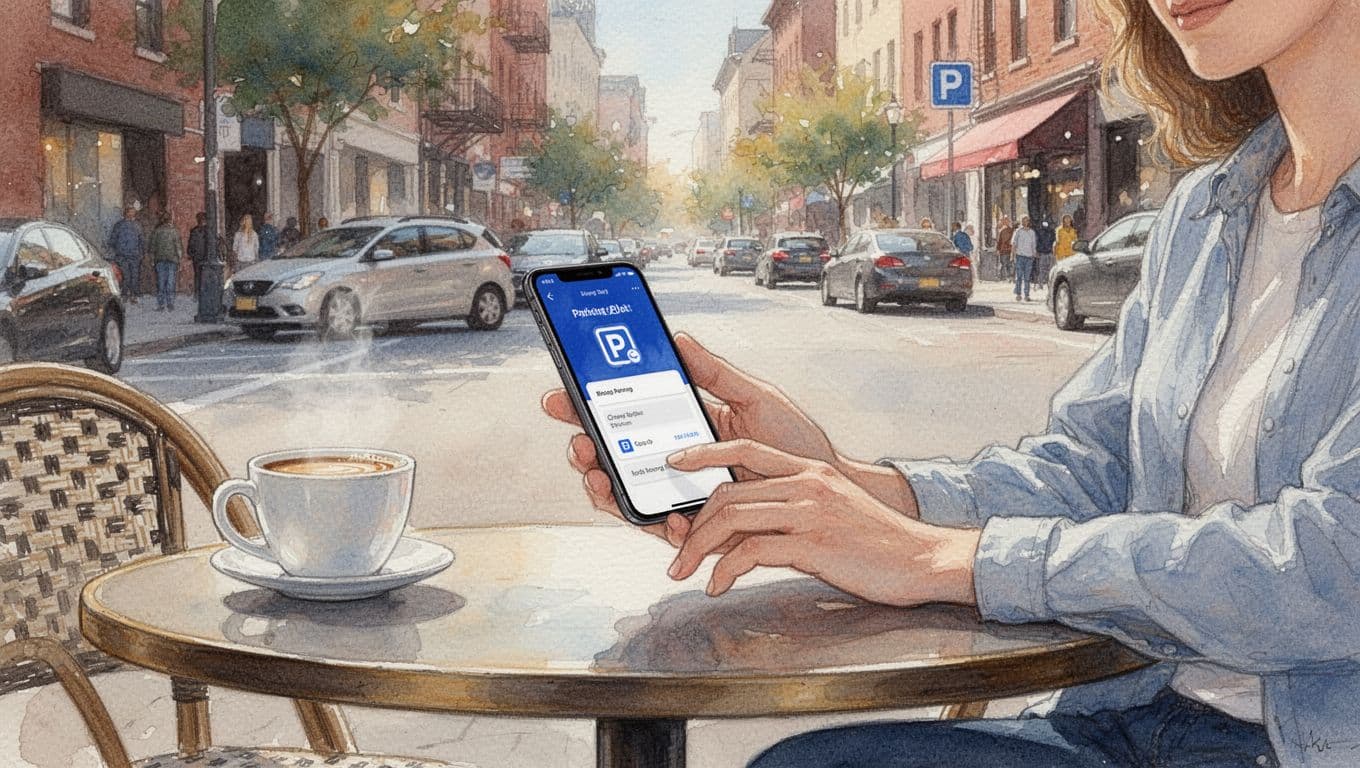
Most cities offer multiple ways to respond. You can often pay online, by phone, by mail, or at a city office. Appeals usually require an online form or a hearing request. The key is timing, because deadlines drive everything.
Also, don’t ignore your paperwork. A small mismatch can hurt your chances. That includes license plate numbers, address, and dates.
Fast Payment Choices Across Cities
Payment options differ by city, but the workflow feels similar. In 2026, most cities have an online portal because it reduces processing time.
Here’s what drivers commonly see across major cities:
| City | Common ways to pay | What to watch |
|---|---|---|
| New York City | Online through the Department of Finance portal, in-person services, and mail options | Watch for deadlines to avoid late penalties |
| Los Angeles | Online and in-app workflows, plus options through city parking systems | Keep your citation details ready |
| Chicago | Kiosks and online systems for payment handling | Confirm the payment reference number matches your case |
| San Francisco | Payment handling through SFMTA’s citation systems | Check if your notice is a meter or zone violation |
The takeaway is simple: pay using the method listed on your notice. Scammers also target drivers, so stick to official city portals.
Appealing a Ticket That Feels Unfair
If you believe the ticket is wrong, act quickly and build your case. Don’t rely on emotion. Rely on evidence.
Your appeal usually needs:
- Photos (close-ups help)
- Receipts (meter transactions or paid parking)
- Proof of permits or exemptions
- Clear notes about what went wrong
In New York City, you can request a hearing to dispute a parking ticket through the city’s official process: Dispute a Ticket – NYC.gov/Finance. That matters because it lays out how to submit your request and how timing affects penalties.
For Los Angeles, the process is handled through LADOT’s adjudication system. If you’re disputing, use the official flow at Contest a Parking Citation – LADOT. Los Angeles also has strict timing rules, so keep an eye on the days listed on the citation and notice.
For Chicago, the city provides an official “contest tickets” page for parking citations and automated enforcement: Contest Tickets (Parking, Red Light and Automated Speed Enforcement). The more you follow those instructions, the less you risk delays.
And in San Francisco, SFMTA handles citations through its contest system. Start with Contest a Citation | SFMTA.
Here’s the common gotcha: even if you feel certain you’re right, you still need documentation. Courts and hearings want proof, not guesses.
The best appeals read like a short report, supported by photos or receipts.
Skip the Fine? Meet Boots, Barnacles, and Bigger Bills
Paying late or ignoring a ticket rarely ends well. Cities charge late fees, add penalties, and can escalate consequences if the citation stays unpaid.
Also, cities can shift from “ticket” to “enforcement actions.” Think of it like moving from a warning light to a full stop.
What escalates depends on the city, but the pattern is similar:
- Late payment penalties and added fees
- Additional costs from administrative processing
- Immobilization (wheel locks) in some cases
- Towing and storage if the vehicle remains in violation areas
- Collection tools that may affect your ability to resolve the case
Even without guessing exact dollar amounts, it’s clear from city budgets and reports that enforcement isn’t cheap. In Los Angeles, city reporting shows costs and losses tied to parking enforcement, including processing and staffing burdens, even when fines are collected. In New York City, the scale is massive, and enforcement data shows millions of citations and camera violations each year.
Also, repeat behavior tends to draw more attention. If a vehicle keeps showing up in restricted zones, cities don’t treat it like a one-off mistake.
Fines That Grow and Extra Fees
A parking fine can start small, but it can grow when time passes. Late fees often stack. Administrative fees can appear later. And in some areas, additional costs can come from the steps cities use to collect unpaid tickets.
In Chicago, for example, fines can reach much higher levels. The city has also dealt with legal issues involving ticket overcharges, including a Cook County judge ruling that Chicago overcharged drivers $163 million on nearly 2 million parking tickets from 2012 to 2022.
That case is a reminder of something important: the system has real money behind it. So, it’s worth dealing with your ticket early, not later.
If you’re going to dispute, don’t wait. If you’re going to pay, pay on time.
High-Tech Clamps and Tows for Stubborn Cases
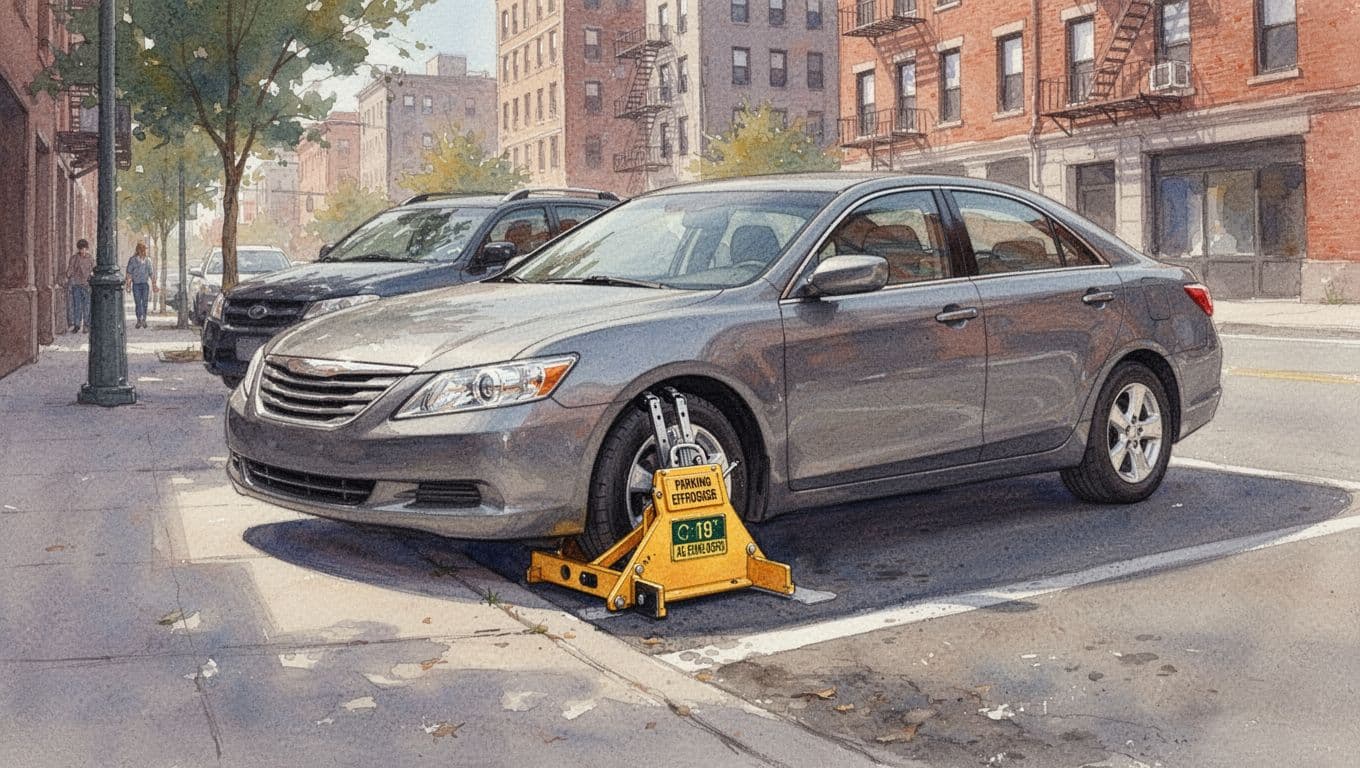
If a ticket stays unpaid, some cities can immobilize the vehicle. A wheel lock is designed to keep the situation from continuing. If the issue persists, towing can follow.
This is where “I’ll handle it later” stops being a plan and becomes a bigger expense.
Big City Breakdown: NYC, LA, Chicago, and SF Compared
Different cities use the same idea (move traffic, enforce rules), but they run different systems. That’s why your ticket experience can feel different even when you’re doing the same thing.
Here’s a practical comparison based on available recent data and enforcement trends:
| City | Enforcement volume (latest context) | What’s common in enforcement | How drivers dispute/resolve |
|---|---|---|---|
| New York City | About 15.5M parking tickets and camera violations in FY2022 | Officers and camera-based notices; heavy street cleaning and zone enforcement | NYC DOF hearing/dispute process |
| Los Angeles | 3.5M+ tickets per year average pre-COVID, about 2.1M in FY2023 | Meter and street restrictions; growing tech and processing systems | LADOT adjudication contest process |
| Chicago | In first 6 months of 2022: 1,073,919 tickets (up from prior year) | Street cleaning and common restriction violations; plate-based identification and on-street logging | Chicago eContest and city contest steps |
| San Francisco | About 5,000 tickets per day on average | Street cleaning and meter violations dominate | SFMTA citation contest process |
One more thing to keep in mind: enforcement goals matter. Nationally, many cities in 2026 are shifting toward compliance-first enforcement. That means they want drivers to fix behavior, not just pay fines.
If you’re trying to handle a ticket the right way, your best move is to start at the city’s official site. For New York City, Parking Ticket Services – DOF can help you confirm the right steps and also includes warnings about scams targeting drivers.
Conclusion: The Real Secret Is Speed and Rules
Parking tickets feel random, but cities run them with a clear system. Enforcement usually starts with patrols and cameras, then moves fast into a citation record.
Your best outcomes come from two choices. Either pay quickly through the official portal, or dispute within the deadline with receipts and photos. Either way, don’t let the ticket sit. Late steps cost more, and escalations can happen fast.
So next time you park, treat the rules like a map, not a guess. Read the sign, check the zone timing, and use the city’s site to resolve problems the right way. Which city are you dealing with right now: NYC, LA, Chicago, or SF?