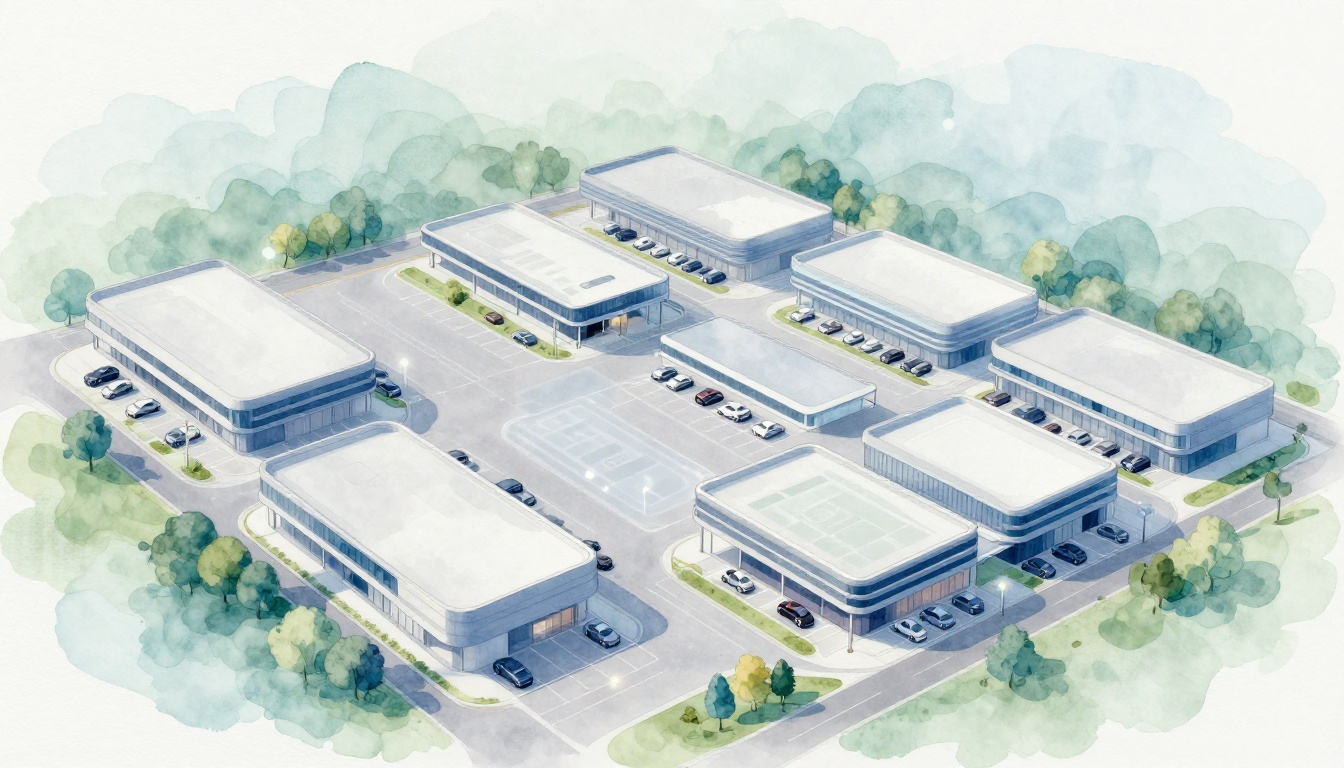
You’ve seen it, the tight entrance, the slow crawl, the “is there a spot?” guessing game. Then you lose time, show up late, and end up mad at a parking lot that should be simple.
Parking management software systems solve that. They use tools like apps, cameras, and sensors to control access and pricing, track what’s happening, and enforce rules without messy paper trails. In short, they help parking run smoother, feel safer, and make more sense for the people using it.
So what are these systems actually used for? In real terms, they automate permits and payments, guide drivers to open spaces, detect overstays, and collect usage data you can act on. And because parking isn’t one-size-fits-all, the same platform can support offices, cities, hospitals, and airports.
Next, you’ll see the core ways these systems solve day-to-day parking problems. Then you’ll learn the standout features behind modern systems, who benefits most, and real examples of airports and cities using them today. Finally, you’ll get a practical shortlist of options to consider in 2026 and the trends that will shape parking next.
Core Ways Parking Management Software Solves Parking Problems
Parking management can look simple until you run it at scale. Once you add multiple entrances, guest traffic, tenant permits, and peak demand, manual methods break down fast. Paper passes, cash payments, and “who’s in what spot” guesses create delays and conflict.
Parking management software systems help because they replace that guesswork with rules, automation, and real-time visibility. They also reduce congestion, since drivers spend less time circling.
Here are the most common uses operators set up first:
- Automated permits and access so the right drivers get in without waiting.
- Bookings and payments to avoid cash lines and lost receipts.
- Real-time location tracking so you can fill open spaces faster.
- Automatic enforcement to catch overstays and unauthorized vehicles.
- Space optimization and dynamic pricing to match demand with availability.
- Central management for staff, visitors, tenants, and multi-site control.
If you want a clear definition of what these systems cover, see parking management software key features and benefits.
Automating Bookings and Payments for Hassle-Free Access
Manual parking access often means long waits. Someone prints a pass, someone else checks a list, then someone pays at a machine. Parking software changes that workflow.
With these systems, users can book a space in advance using an app. They can pay contactlessly, and entry can work without tickets in many setups. For operators, that means fewer disputes like “I paid, I swear” or “my receipt disappeared.”
A simple way to think about it: parking becomes more like rideshare access than a scavenger hunt. When your process is consistent, turnover improves because cars enter and leave with less friction.
Tracking Vehicles in Real Time to Fill Every Spot
If drivers don’t know what’s open, they’ll keep circling. Real-time tracking fixes that by showing availability quickly and accurately.
Many platforms use sensors and cameras to detect whether spaces are free, then share that info through signage or mobile guidance. Some also track vehicles by reading license plates, so the system can identify patterns like peak arrival waves and common bottlenecks.
The result is faster parking turnover. You get more “right first try” arrivals, and less time wasted looking for a spot.
Enforcing Rules Automatically to Cut Violations
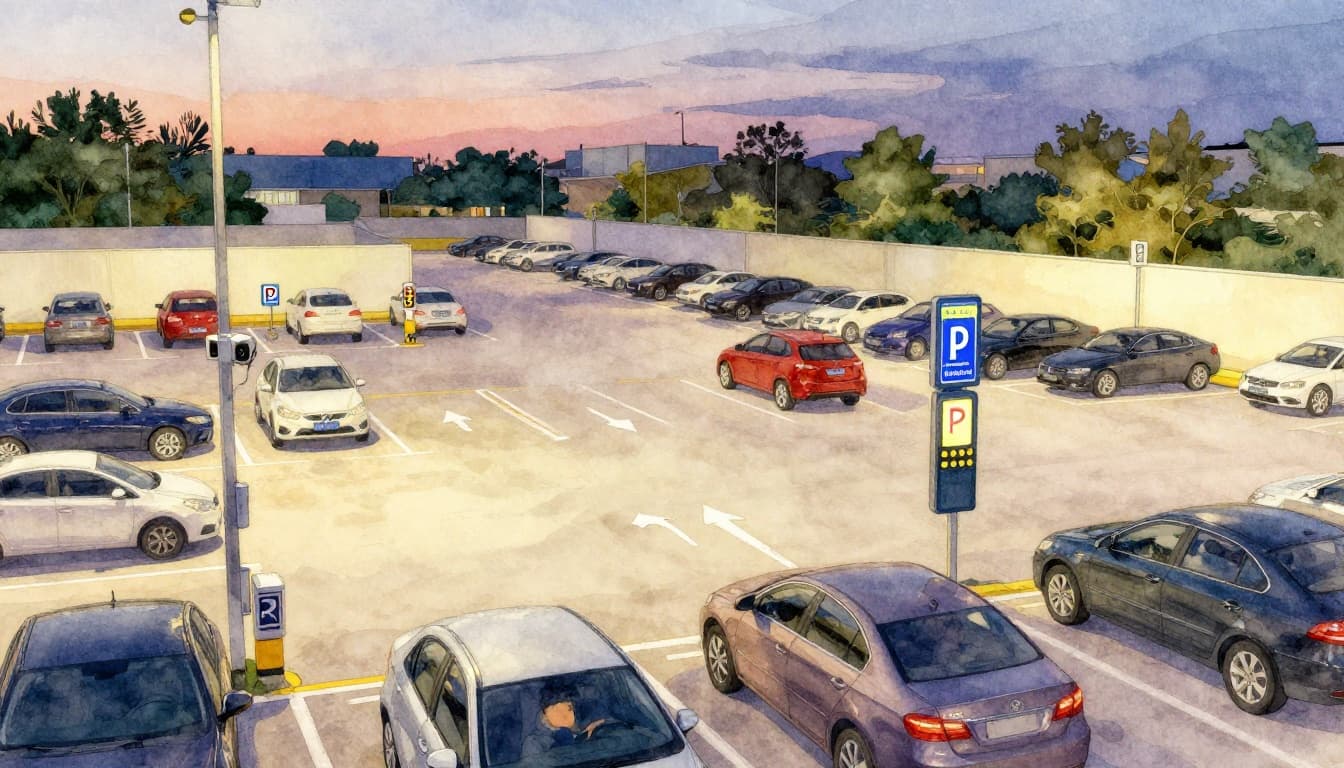
Enforcement is where manual processes get messy. Staff need to watch lots all day. Meanwhile, drivers still overstay, show up without permits, or ignore posted rules.
Parking management software systems can enforce automatically using camera alerts, time-based rules, and license plate recognition. When a vehicle breaks the rules, the system can trigger an alert and process a fine digitally (depending on local setup).
Automated enforcement helps reduce repeat violations because the system is consistent.
Because enforcement is tied to data, it also feels more fair. Operators spend less time chasing paperwork, and drivers face clear outcomes.
Standout Features That Power Modern Parking Systems
Software features matter because they decide what kind of parking operation you can run. A small office with a few reserved spaces needs different tools than an airport with thousands of daily arrivals.
Most modern systems include a mix of access control, enforcement, payments, and reporting. The best part is that you can often start with one use case and expand later.
License Plate Recognition for Seamless Entry and Exit
License plate recognition (LPR) lets cameras read plates automatically as cars enter and exit. That supports a range of setups, including fast entry, pay-at-exit flows, and enforcement without handing out tickets.
In busy areas, LPR helps because it reduces the “stop and wait” moment at the gate. It also supports barrier options in some designs, which can improve traffic flow.

Smart Analytics to Understand and Improve Usage
Most people only notice parking when it fails. Analytics changes that. With usage reports, operators can see occupancy trends, peak times, and revenue patterns.
That data helps you answer questions like:
- Which entrances cause delays?
- When do spaces fill up fastest?
- Are prices matching demand?
Some systems even support forecasting, so you can prepare for predictable surges like events. If you’re choosing a platform, a buyer guide like Skidata’s guidance on what to look for can help you compare features without hype.
Easy Integrations with EV Chargers and More
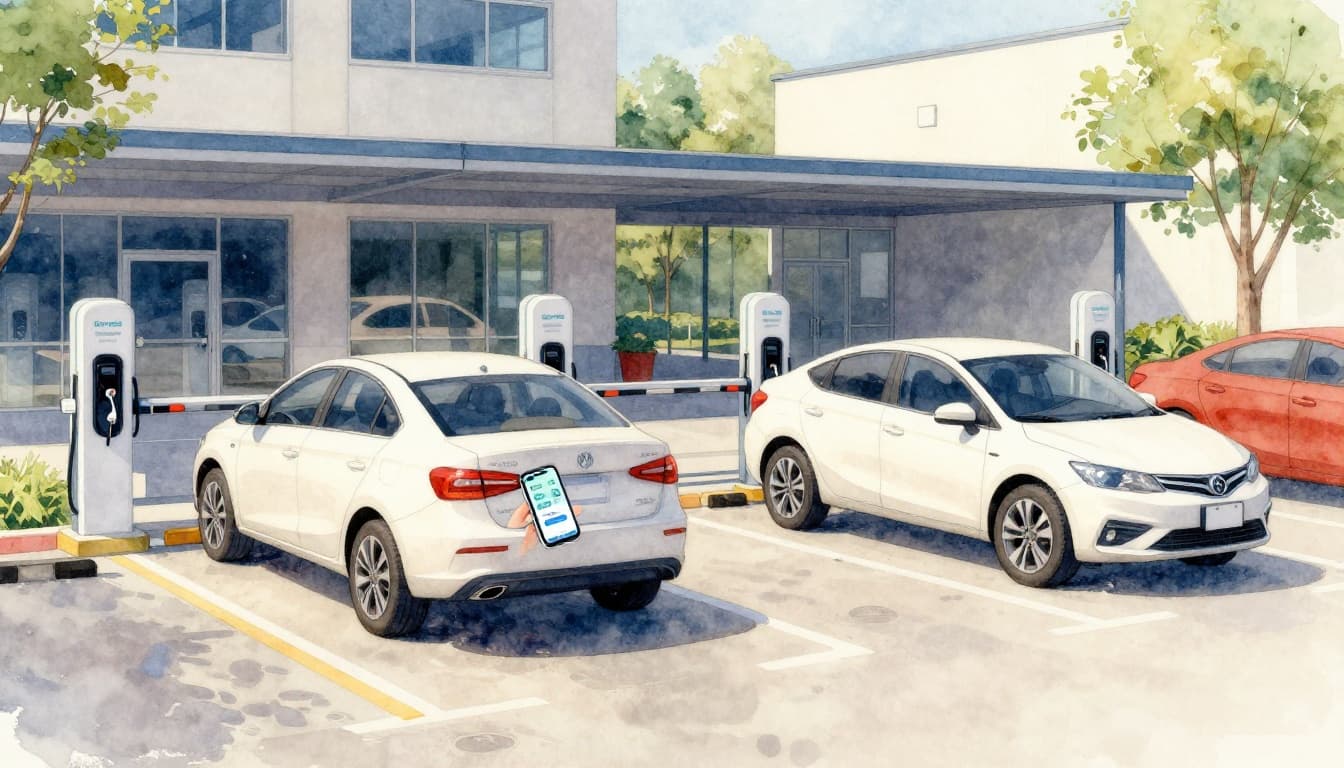
EV chargers create a new parking mix: drivers may stay longer, and access needs to track charging sessions.
Many parking platforms now integrate with EV charging to connect reservations, payments, and billing. Some also work with gates and other property systems. In practice, this keeps data in one place and reduces the “who bills the charger?” problem.
Who Wins Big: Benefits for Businesses, Cities, and Hospitals
Parking software helps different users in different ways. Still, the shared theme is simple: less wasted time, less manual work, more control.
The biggest wins usually show up in three areas:
- More revenue through better pricing and fewer lost tickets.
- Better user experience through faster entry and clearer guidance.
- Simpler operations through automation and central reporting.
Here’s how it often breaks down by customer type.
| User type | What they use it for | What improves most |
|---|---|---|
| Businesses and offices | Employee access, visitor bookings, tenant rules, EV spots | Fewer admin hours, happier visitors, higher spot utilization |
| Cities and municipal operators | On-street and off-street enforcement, multi-lot control, reporting | Less congestion, better enforcement consistency |
| Hospitals and clinics | Staff and patient access, priority guidance, short-term traffic control | Faster arrival, less stress for visitors |
If you manage property parking, you’ll often see quick value from permit control and enforcement. For a property manager-focused breakdown, check benefits of parking management software for property managers.
Boosting Revenue and Tenant Satisfaction in Offices and Apartments
In offices and apartment buildings, unused capacity hurts. Some spaces sit empty because tenants and staff can’t reserve them well. Others get filled by people who shouldn’t be there.
Parking software fixes both sides. Tenants get smoother access, visitors can reserve, and rules stay consistent. When you add usage-based insights, you can also adjust how you share spots, where you place EV chargers, and how you handle peak days.
That usually leads to stronger tenant trust. People feel the building runs fairly, and staff spend less time dealing with parking disputes.
Easing City Traffic with Smart Public Lot Control
Cities need more than “a gate and a sign.” Public parking often involves multiple zones, changing rules, and enforcement across large areas.
Parking management systems can centralize control and create a clear record of access. That helps staff track usage, respond to complaints with data, and maintain enforcement standards.
As a result, drivers spend less time circling and more time moving where they need to go. Even small reductions in search time can matter during rush hours.
Saving Lives with Fast Parking at Hospitals
Hospitals have a different kind of urgency. Patients often arrive anxious. Staff work long shifts. Visitors might not know the layout.
Parking software can guide visitors to open areas, reduce circling, and improve access for staff. It can also support enforcement and reporting when parking rules matter for emergency flow.
For healthcare-focused setups, see hospital parking management solutions from T2 Systems. Their approach ties permits, enforcement, payments, and analytics into one operating flow.
Real-World Wins: Airports and Cities Using These Systems Today
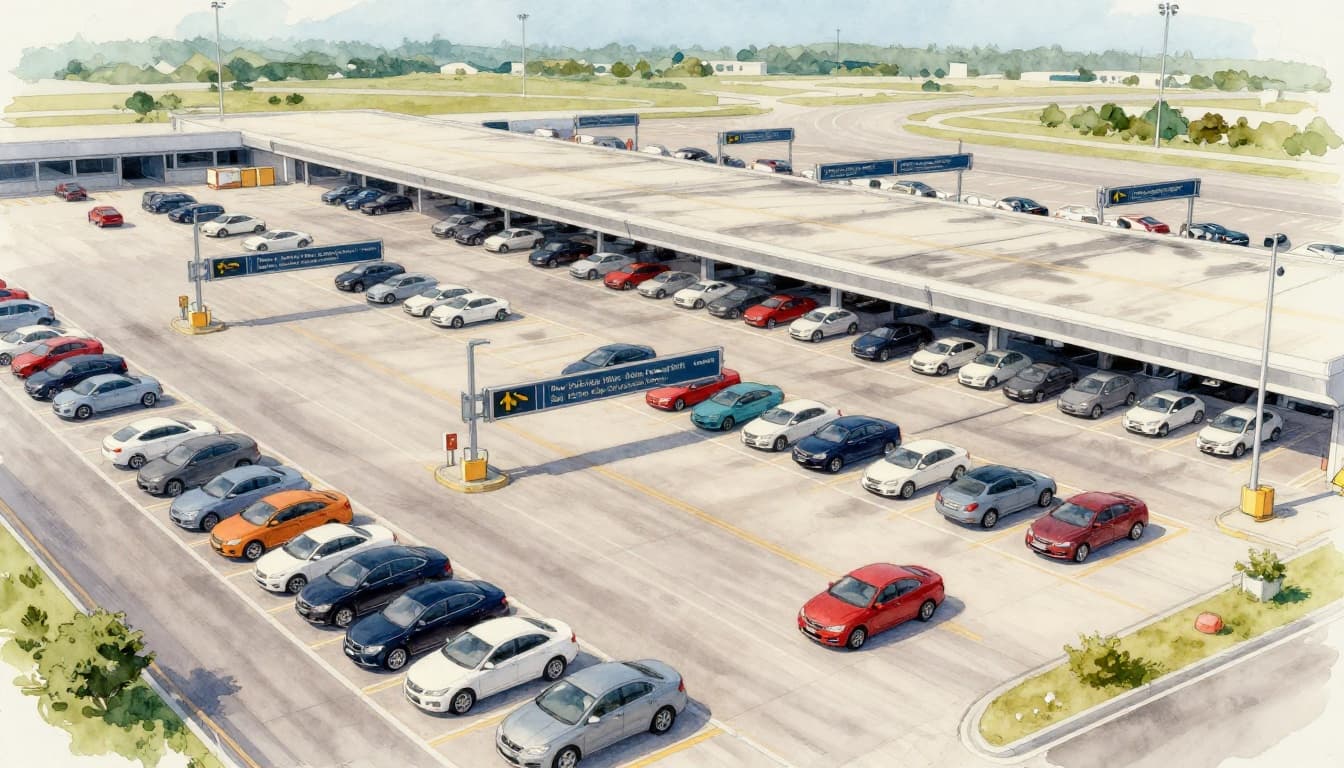
These systems scale well because parking complexity grows fast in airports and large districts.
Some reported examples include:
- Schiphol Airport (Netherlands) running parking for about 45,000 spots, with ticketless entry designs.
- NMBS/B-Parking managing around 23,000 park-and-ride spaces, using software for reservations and operational control.
- Madrid-Barajas using LPR in large parking zones for ticketless entry and smoother payments.
- Major airport and city operators also use central controls (including SKIDATA in large multi-zone setups), which helps manage many sites from one place.
The common thread is scale. When you’re managing thousands of vehicles, you need consistent rules and fast tracking. Software systems deliver that, and they also reduce how often staff must solve the same problems manually.
Best Parking Software Options to Consider in 2026
The “best” choice depends on your lot size, entry setup, and who you serve. Some systems focus on offices and simple reservations. Others are built for airports and city-scale control.
Based on widely listed options for the US market in 2026, here are strong candidates to evaluate:
- Parkable: Great for offices and large employers, with app-based employee and public parking tools. It’s listed as used by Meta and Microsoft and often supports revenue-sharing and LPR setups.
- SKIDATA: Strong for airports, multi-site cities, and healthcare needs. Expect LPR, central management, and complex rule support.
- WorkInSync: Common for facilities that want cloud-based access and analytics.
- Dibsido: Good for small to mid-sized offices. It supports maps, bookings, and rules, and is listed with a free tier for a limited number of spaces.
- Wayleadr: Often used by offices and enterprises. It’s listed with AI spot matching and waitlists.
- gtechna: Listed for garages, events, and city-style lots, with payments and enforcement tools.
If you want a broader marketplace view with reviews and pricing comparisons, start at Software Advice’s parking management software reviews for 2026.
Future Trends Making Parking Even Smarter
Parking management doesn’t stand still. In 2026, the main upgrades focus on predicting demand, integrating with EV charging, and reducing friction even further.
Here are the trends showing up most in the US:
- AI and dynamic pricing: Systems use demand signals to adjust prices when lots get tight. This can help revenue without adding more traffic.
- EV charging integration: More platforms coordinate charging availability and billing with parking access.
- More real-time sensors: Better vacancy detection reduces circling and helps lower emissions from idling.
- More contactless flows: Mobile booking and pay options keep drivers moving.
- Scalable cloud management: Multi-site operators can manage access and reporting from one place.
For many operators, these changes don’t feel like “tech for tech’s sake.” They reduce daily problems, like long entry lines and weekend enforcement spikes.
Conclusion
So, what are parking management software systems used for? They’re used to make parking work like it should: predictable access, fewer rules battles, and faster movement through busy areas.
You get the biggest value when the system automates bookings and payments, tracks spot availability in real time, and enforces rules with LPR and alerts. From offices to cities to hospitals, that adds up to less circling, fewer staff hours spent on disputes, and steadier revenue.
If you’re comparing platforms, don’t rush the shortlist. Match the software to your parking reality, then ask for a demo focused on your entry flow and enforcement needs.
After all, the next time you see a car searching for a space, you’ll know exactly what modern systems are built to prevent. And once demand prediction and EV coordination get better, parking will keep getting easier to manage.