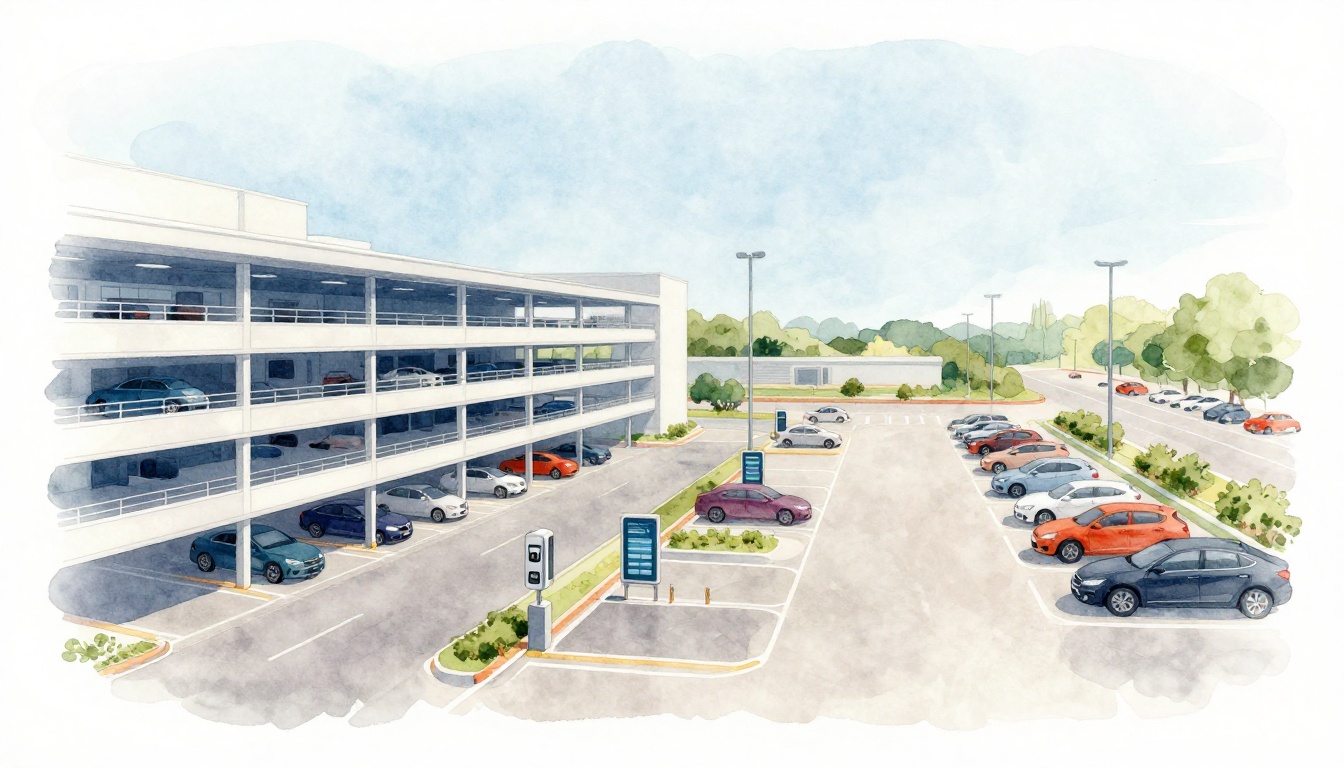
Have you ever circled the same block twice, then realized the garage is full? Or shown up hoping a “free spot” sign means you’ll actually park soon. That frustration usually comes from one thing: whether a parking system is reserved or public.
A reserved parking system lets you book a specific spot (or spot type) ahead of time, usually for a set time window. A public parking system shows open spaces first-come-first-served, often using sensors, cameras, and real-time displays.
Once you know how each one works, you can choose the right option for work, errands, events, and travel. And in 2026, both types are getting smarter with AI predictions and contactless check-in tech. Next, let’s break down reserved parking, then compare it with public parking so you can decide fast.
How Reserved Parking Systems Guarantee Your Spot Before You Arrive
Reserved parking systems are built around one promise: you book ahead, and the system saves your place. Instead of driving around, you follow guidance from a map, then enter when you’re scheduled.
In most setups, reservations happen in an app or on a website. You pick a lot, select a date and time, and pay up front or confirm your access. Then the system links your booking to your arrival.
When you pull in, the entry process is usually automated. Many facilities use a license plate scan or a QR code to open the gate. After entry, the system routes you to the exact area or spot number.
Here’s where this really helps. Instead of treating parking like a random guess, reserved parking turns it into an appointment. You show up, then you park.
For operators, reserved systems also create usable data. They can see demand by time of day, track how full each lot gets, and improve staffing. If you’re curious about how properties manage that bigger picture, this overview of parking management in 2026 can be helpful: parking management in 2026 (ParqEx).
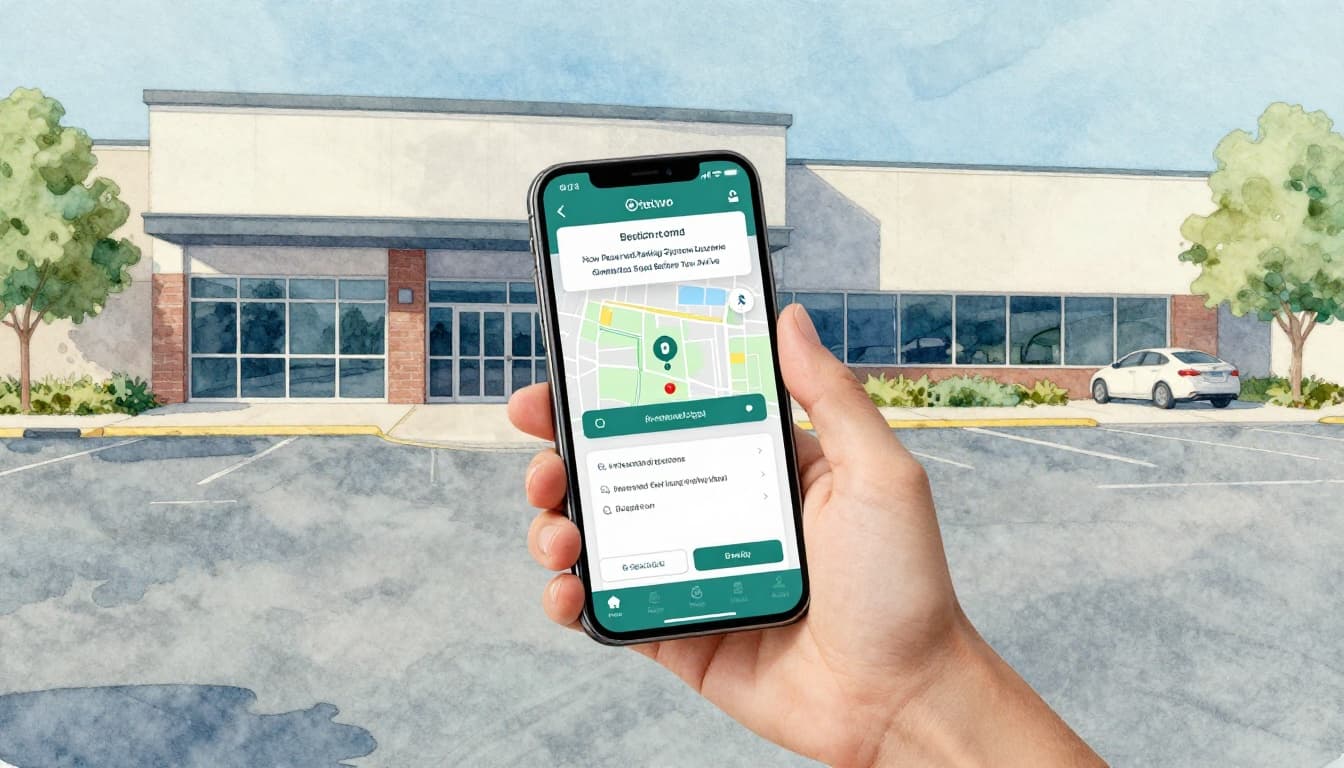
Meanwhile, recent industry writeups also point out how AI and automation are changing the setup. FC Parking notes that real-time data and smarter controls now shape both guest experience and operations. That context matters if you manage parking, or if you want to understand why systems feel faster than they did a few years ago. See 5 parking technologies transforming operations in 2026 (FC Parking).
The Simple Steps to Book and Use a Reserved Spot
Reserved parking works best when the process stays simple. Most systems follow a similar path:
- Find the right lot on the map (often a digital lot view inside the app).
- Reserve a date and time for your arrival.
- Pay or confirm access through the app or account.
- Arrive and enter with auto-gate help, using license plate recognition or a QR code.
- Follow guidance to your spot, then watch availability update for everyone else.
If you arrive early, some systems allow early entry. If you arrive late, the booking window may still work, or it may release your spot. When in doubt, check your confirmation message.
Real-World Spots Where Reservations Shine
Reserved systems show up in places where time matters. Here are a few common scenarios.
For office visitors, plate recognition can prevent guesswork. You book once, then the gate recognizes your car at arrival. That reduces front-desk chaos, especially during busy mornings.
For employees, daily or weekly reserved access can help hybrid work. One day you’re onsite, another day you’re not, so reserved parking can shift based on demand. Some employers use the same “book a slot” idea for rotating teams.
For airports and big events, pre-booking turns stress into routine. You already know where you’ll park. Instead of timing the last minute, you move step by step toward your terminal or venue.
Big Wins from Reserved Parking for Everyone
Reserved parking isn’t only for tech-savvy drivers. It helps regular people too, because it cuts the most annoying part: uncertainty.
- No more circling: you drive in with a plan.
- Fair sharing: the system prevents “whoever gets lucky” parking.
- Less lot congestion: fewer cars search, which reduces slow traffic inside the garage.
- Better usage insights: managers can fix bottlenecks based on real demand.
- Phone-based ease: most steps happen before you ever reach the gate.
When parking feels predictable, it changes your day. You arrive on time more often. You waste less gas. You feel calmer at the worst moment of the trip.
Public Parking Systems: Smart Tech to Find Open Spots Instantly
Public parking systems take the opposite approach. They don’t save your spot in advance. Instead, they help you find a free space quickly, based on what’s open right now.
Most public systems use a first-come-first-served flow. You arrive, look for availability, then park. Some places also allow mobile payment so you avoid ticket lines.
To show real-time availability, public systems may use sensors, cameras, or both. The system sends that data to signs, screens, or apps. In many cities, you’ll see green indicators for open areas and red indicators for busy sections.
Many systems also rely on automated entry and payment methods. You might use a ticket, a card, or an app. Some facilities use license plate recognition at entrances. Others just manage pay-by-space or pay-by-plate.
Public guidance has been improving in real projects. For example, Greenville, South Carolina added real-time parking visibility for downtown access. You can see details on that kind of sensor-driven approach in this case story: real-time parking visibility in Greenville (Parking Guidance Systems).
Sensors and Signs That Guide You Right to Free Spots
Public parking “magic” depends on detection and communication.
Sensors detect a car’s presence, often using infrared, sound-based methods, or image detection. Then the system sends that status to a dashboard. Finally, it shows drivers where spaces are open.
That can happen on street signs, garage screens, or a parking app. Some setups also tie into gates, so you pay at entry or with a quick scan. With license plate recognition, the system links payment and access without a paper ticket.
The goal is simple. You should spend less time deciding where to turn.
Common Places Using Public Parking Magic
Public parking systems are everywhere, because they fit everyday trips.
Curbside parking often uses sensors to guide drivers to open spaces. Malls and large retail centers use garage lights and screens to help shoppers avoid endless loops. Cities may add camera-based occupancy tools for municipal lots and garages.
You might also see apps that let you check availability before you drive there. Some apps work with many owners, so you can compare lots in one place.
Proven Perks That Make Parking Less of a Headache
Public systems aim for one outcome: faster parking for more people.
- Less time and stress: fewer “maybe it’s open” turns.
- Fewer traffic jams in garages and lots.
- Clean cashless pay in many facilities.
- Safety benefits through better monitoring and camera coverage.
- Revenue support for operators who can reduce wasted trips and improve turnover.
Public parking works best when you’re flexible. If you’re shopping, picking up someone, or stopping briefly, first-come availability is often enough.
Reserved vs Public Parking: Clear Differences to Help You Decide
Reserved and public parking sound similar at first. Then you try to use them in real life. The difference becomes obvious: reserved gives certainty, while public gives visibility.
Reserved systems focus on access control. They know who you are and when you arrive. Public systems focus on availability. They show what’s open right now, so you can choose quickly.
Here’s a clear comparison.
| Feature | Reserved parking system | Public parking system |
|---|---|---|
| Access | Booked time window, specific permissions | First-come-first-served access |
| Tech you use | App/site booking, gate access via QR or plate scan | Sensors/cameras, apps or signs, pay via ticket/app |
| Guarantee | Yes, you’re saved a spot (within your window) | No, spaces can fill while you drive |
| Best for | Office visits, events, airports, predictable schedules | Errands, shopping, curb parking, quick stops |
So how do you choose? If your day depends on being on time, reserved parking wins. If you’re running a short errand and can adapt, public parking usually works.
Side-by-Side Breakdown in One Easy Table
Use the table above as a shortcut. It helps you match the system to your risk level.
If you can’t miss your appointment, pick reserved. If you can shift plans, pick public.
2026 Trends Mixing the Best of Both Worlds
In March 2026, parking systems increasingly blend ideas from both models.
AI predictions help operators forecast demand. That can support better pricing, better staffing, and smarter opening hours. It also means some reserved systems offer more accurate time guidance based on expected arrivals.
At the hardware level, overhead cameras and LPR are often used to reduce reliance on older sensor-only setups. Contactless entry and cashless payment also keep showing up, because drivers want less stopping.
Meanwhile, many apps now support hybrid workflows. You might check public availability, then reserve if it’s tight. In other words, you get “visibility first,” then “certainty when needed.”
Robot garages are also expanding in dense areas. These systems can store more cars in less space. They still connect to apps for drop-off flow and monitoring, which gives drivers a familiar experience even when the inside feels futuristic. Industry coverage like 2026 parking industry trends to watch (Pave Mobility) highlights how automated enforcement and LPR-based tools are part of that shift.
Another sign of the mixed future: cities keep rolling out guidance sensors. Delray Beach, for example, reported using a new system for real-time data. That’s the public side getting more reliable. See: Delray Beach adds real-time guidance sensors.
Picking the Right Parking System for Your Situation
You don’t need to pick one forever. You just need to pick the right one for that trip.
Reserved parking fits when your arrival time matters. That includes work meetings, dentist appointments, weddings, conventions, and airport travel. It also helps when you’re bringing kids, going to a dinner with a set start time, or you can’t spare time for searching.
Public parking fits when your schedule has some wiggle room. It works for shopping, short pickups, and casual errands. It’s also common for street parking near dining and local stores.
Before you choose, look at these factors:
- Time pressure: do you have a hard deadline?
- Trip type: appointment or drop-in?
- Lot size: bigger lots usually need guidance tech.
- Number of drivers: events can spike demand fast.
- Your budget: reserved often costs more, but it saves time.
If you’re unsure, start small. Use an app to check what’s nearby, then reserve only when you need certainty. This strategy blends the best of both worlds, without locking you into one system every time.
As systems add AI forecasts and more contactless entry, the split between “reserved” and “public” may feel less strict. Still, the core difference remains. Reserved saves, public reveals.
Conclusion
When you’re tired of circling, reserved parking systems bring relief. You book ahead, then your entry and directions connect to your reservation window.
Public parking systems help you find open spaces fast. Sensors, signs, and apps point you to what’s available right now.
So the real answer to “which one is better?” depends on your day. If time matters, choose reserved. If you can be flexible, choose public. Next time you park, match the system to the moment, and you’ll feel the difference immediately.