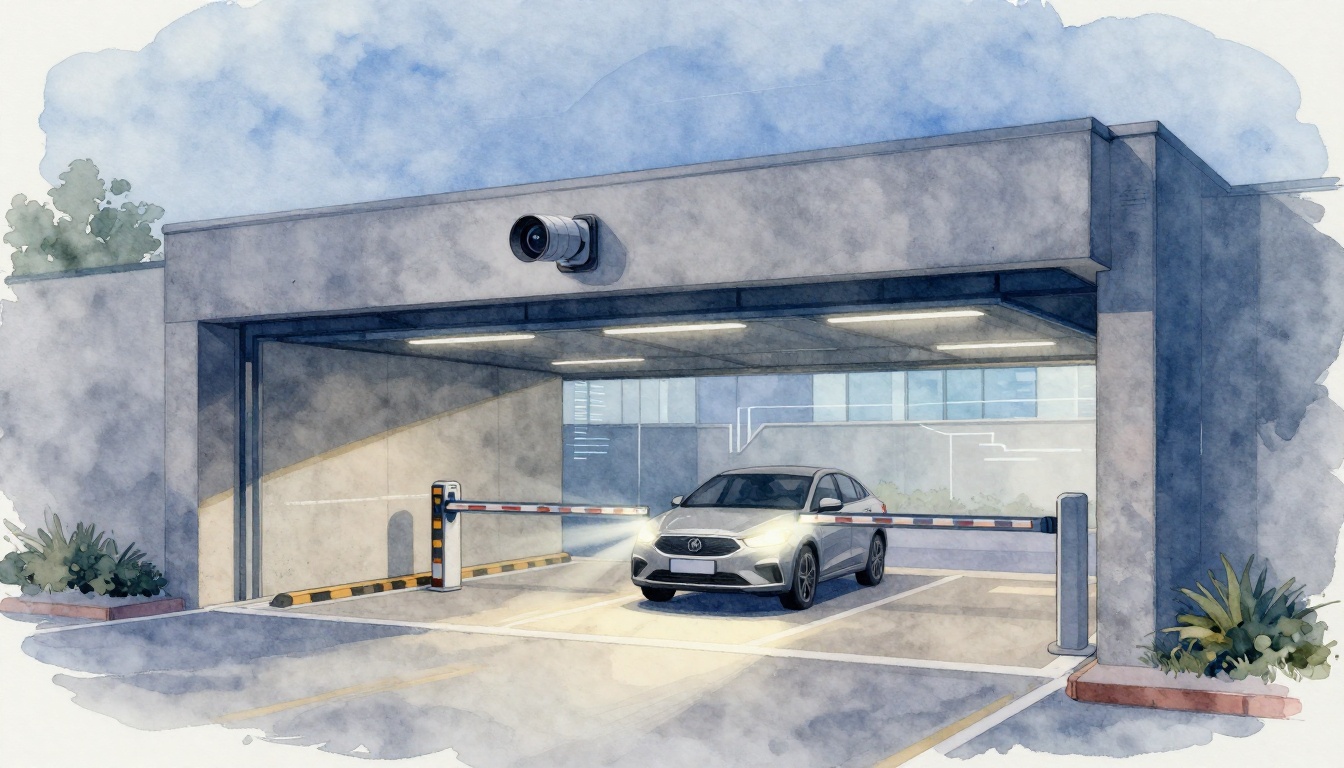
Getting stuck in long lines for parking tickets, or arguing because your ticket stub went missing, shouldn’t be part of your day. License plate recognition parking systems fix that by reading your car’s plate automatically, so entry, exit, and payment move faster.
In simple terms, license plate recognition (LPR) uses cameras and software to spot and match license plates. Then the system ties that plate to the right account or session, so you spend less time at the gate and staff spend less time with manual checks. However, accuracy and privacy rules matter, especially at night, in rain, or when traffic moves fast.
In the rest of this post, you’ll see how LPR works step by step, what hardware and software make it run, and the main benefits and real-world uses. You’ll also get the key challenges and what’s changing in 2026, including AI cameras, edge processing, cloud and 5G links, and pay-by-plate integrations.
How License Plate Recognition Brings Hands-Free Parking to Life
License plate recognition in parking systems works like a fast doorman who never sleeps. As your car rolls in, smart cameras capture the plate, then software turns that image into readable text. After that, the system matches what it sees to the right account, so the gate can open without you hunting for a ticket or calling for help.
Capturing the Plate: The Role of Smart Cameras
The first “character” in how LPR works in parking is the camera. A typical setup uses high-resolution smart cameras that can grab sharp plate images, even when lighting gets messy. For low light, rain, fog, or snow, many installations add infrared (IR) illumination, which helps the camera see the plate without depending on headlights or street lamps.
Placement matters as much as the camera. Most sites mount cameras at entry and exit points, tuned to the lane so the plate fills a large part of the image. You often see pole-mounted units above or beside the approach lane. The goal is simple: get the best angle before the car moves past the read zone.
Speed also plays a role. Cars rarely crawl to a perfect stop, so the camera needs a fast capture rate and strong optics. In real garages, vehicles can zip through in seconds, and LPR still has to keep up. Likewise, plates often show up dirty, bent, faded, or partially blocked by glare, bike racks, or reflections. Even in those cases, the camera team tries to reduce the odds of failure by using tight framing and exposure control.
Then AI picks up where the hardware leaves off. After the camera captures the plate region, software can clean up blur and improve contrast. It also helps when the plate is seen at a slight tilt. If the first image struggles, many systems can take additional frames during the same pass and choose the best candidate for the next step.
Here’s what this looks like in a busy parking garage. Picture a downtown garage at 5:30 PM, where drivers keep coming in waves. A vehicle enters the lane, the camera snaps an IR-assisted image, and the system targets the plate area immediately. Within milliseconds, the platform produces a strong plate candidate for the next stage of OCR.

For a deeper look at how these systems operate at a practical level, see how ANPR works in parking.
Reading and Matching: OCR and AI Magic
Once the camera captures the plate image, OCR (optical character recognition) steps in. OCR acts like a translator. It reads letters and numbers from the image and outputs them as text the system can compare against records.
However, OCR doesn’t just output a single result and call it a day. In real parking lanes, plates vary by country formats, font styles, spacing, and plate spacing rules. Some plates include state or region labels. Others use different separators and plate layouts. Meanwhile, motion blur, glare, or water spots can make a character look like its neighbor.
That’s where AI and machine learning matter. Most modern platforms use AI models trained on many plate styles and bad-image cases. They help correct common mix-ups, like B vs 8, O vs 0, or swapped character order when spacing gets tight. As a result, the system can keep accuracy high without forcing you to slow down at the gate.
Next comes the database match. The system takes the OCR text and checks it against stored data, such as:
- Pre-registered vehicle lists
- Monthly or hourly parking sessions
- Permits and validation rules
- Exit history (to confirm which entry it belongs to)
If the plate matches a valid record, the system tags the car’s session and can trigger entry or exit actions. If it doesn’t match cleanly, the platform can apply confidence checks. It may request an additional frame, compare against likely plate formats, or flag an alert for review.
What makes this feel “hands-free” is how quickly this happens. These steps run in a tight loop at the edge controller or server. The system doesn’t wait for a human to type a plate. Instead, it resolves the match fast enough to open a gate, allow free-flow access, or log the event as the car passes.
To see how OCR and plate reading fit into the bigger flow, review how parking license plate recognition works. That process is the backbone behind instant access and accurate records.
Finally, the system logs what happened. It records the entry and exit time stamps, ties them to the matched plate session, and stores the read results for audits. If a driver later disputes a charge, the staff has a time-stamped record to check against, not guesswork based on a lost ticket.
Core Pieces That Power Every LPR Parking Setup
LPR works because multiple components talk to each other. Think of it like a team: cameras are the eyes, OCR and AI are the brain, and the database ties each read to a real parking event. When those pieces connect correctly, gates open on time, billing matches stays accurate, and staff can fix issues fast.

Software Brains: OCR, AI, and Databases
Start with OCR, optical character recognition, which turns plate images into text. In practice, OCR does more than “read.” It filters noise, isolates the plate region, and normalizes characters so 8 does not look like B. When the camera image is less than perfect (blur, glare, dirt, angle), OCR still gives the system a usable starting guess.
Next comes AI, which boosts accuracy by learning from tough real-world reads. Traditional OCR can struggle when characters touch or lighting changes. AI improves those weak points by using patterns from many plate styles, then scoring likely character matches. Some systems also run multi-frame logic, comparing several snapshots from the same pass and keeping the cleanest candidate.
Accuracy goals keep rising, and the bigger trend for 2026 is purpose-built cameras that detect more than plates. Instead of only identifying text, these setups can also infer details like car type (and sometimes make, model, or color). That matters for fraud checks and for access rules that rely on the whole vehicle profile, not a single string of characters.
Finally, the database makes the read useful. It stores recognized plate values, links them to reservations or passes, and keeps time stamps for audits. It also connects to billing and enforcement rules, so the system knows whether a plate should:
- Start an open session
- Pay at exit or pay-by-plate
- Validate a permit window
- Trigger an alert when a match fails
For a practical view of how these software layers fit together, see ALPR software technology explained.
User Tools: Apps and Dashboards for Control
Even the best LPR software needs a “control room” view. That is where user tools come in. Most operators use a mix of mobile apps and web dashboards to see what the system is doing right now, not what it did last week.
Real-time monitoring typically shows:
- Lane activity (entry, exit, re-reads, and misses)
- Space status (occupied vs. available, by zone or row)
- System health (camera uptime, connection status, processing delays)
Alerts matter just as much as visibility. When OCR confidence drops, the system can flag the event for review. When a camera goes offline, staff need to know immediately. When a payment link fails, dashboards help route the issue before drivers get stuck.
Analytics turns those events into useful patterns. For example, you can compare read quality by hour, then adjust camera angles or lighting if night accuracy drops. You can also spot peak arrival waves, then plan staffing or pricing. In many operations, the dashboard shows trends like “most common plate mismatches,” which guides tuning work.
Connection design also helps control costs. Cloud-based options often reduce upfront hardware needs, since storage and reporting can run remotely. Some platforms also support centralized management for multiple sites, so a single team can watch many garages from one place. If you want an example of centralized LPR management, check IZCentral for ALPR management. For a look at how operators use real-time analytics, see parking facility systems with real-time analytics.

In short, the user tools are where LPR becomes operational. Without them, the system still reads plates, but you lose the fast fixes that protect revenue and driver experience.
Big Wins: Why Parking Pros and Drivers Rave About LPR
When LPR works, it feels almost invisible. The gate opens when it should, payment matches what happened, and disputes drop because the system logs the key details. For drivers, that means fewer stops. For parking pros, it means less friction and better control. It’s one of the clearest benefits of LPR in parking management, because it improves both sides of the transaction.
Smoother Rides and Lower Costs for Everyone
Start with the driver experience. LPR reads the plate as you approach, then routes your car to the right next step. As a result, gates can open automatically, and you don’t need to hunt for a ticket or call for help. In busy garages, even a small reduction in wait time matters. It cuts the “stop, go, stop” rhythm that creates bottlenecks.
Speed also reduces staff overload. Traditional lanes often rely on someone to verify plates, restart stuck machines, or handle edge cases. With LPR, many of those checks become automated rules, based on what the system reads and what your account or session says. So, staff spend more time helping with true exceptions, like damaged plates or unexpected vehicles.
Here’s how the savings usually show up for operators:
- Less gate and ticket labor: fewer manual confirmations at entry and exit
- Fewer equipment work orders: fewer pay-station issues tied to missed or lost transactions
- Lower enforcement friction: less time walking rows or re-checking overstays
- Reduced “revenue leakage”: fewer missed events that happen when people manage it manually
For a real-world look at how ALPR removes manual ticketing, see ALPR for parking management. The big takeaway is simple: fewer manual steps means fewer points where mistakes happen.

Finally, LPR helps pricing and availability, which also lowers costs in a sneaky way. When operators see occupancy and entry rates, they can shift staffing and adjust flows before queues form. In other words, you spend less time reacting and more time preventing traffic jams.
Tighter Security and Smarter Insights
LPR also gives parking facilities a stronger security posture. Because it captures plate reads linked to time, location, and event type, the system builds a clear log of who entered and exited. That log helps during incidents like theft, hit-and-run reports, or unauthorized access. It’s like having a timeline you can trust, not a memory you have to reconstruct.
In practical terms, “security” shows up in the flags the system raises. If a plate matches a prohibited list, an expired permit, or a policy mismatch, the platform can trigger an alert for review. Meanwhile, authorized vehicles can flow through without extra handling. Therefore, enforcement becomes more precise, not more stressful.
You also get better visibility across multiple lanes and zones. Instead of checking one camera at a time, operators can review events by plate, confidence scores, and read quality. As a result, troubleshooting becomes faster. If a certain lane struggles at night, teams can compare read performance by hour and adjust camera placement or lighting.
The smart insights don’t stop at security. LPR data helps you run the garage like a system, not a guess. For example:
- Occupancy patterns: see peak arrival windows and average stays
- Demand shifts: spot days when entry rates spike or drop
- Fraud signals: detect repeat patterns tied to permit misuse
- Operational tuning: improve capture rates by lane and time of day
If you want a helpful guide on what operators look for when evaluating LPR cameras, check LPR cameras benefits and use cases. It’s a good reminder that LPR isn’t just “read plates.” It’s read, classify, and act based on configured rules.
One more point, often overlooked: better data supports consistency across staff changes. People come and go, but the system keeps the same logic. So, whether it’s a busy evening shift or a quiet morning, the read-and-respond behavior stays consistent. That matters when drivers expect fairness and when operators need tight control.
Where LPR Fits In and Tough Spots It Tackles
LPR is easiest to understand when you picture where it lives. It shows up at gates, but it also runs behind the scenes in enforcement, reservations, and smart city parking. In other words, it doesn’t just read a plate, it helps decide what should happen next.
Everyday Spots: Garages, Events, and Cities
Start with the places people park every day. In a gated garage, LPR applications parking systems handle entry and exit, especially when drivers forget tickets or lose them in the shuffle. The system reads the plate at the lane, then it links that read to an account, a plate list, or a session. After that, the gate action and billing can run without a staff member “playing traffic control” at the booth.
Now look at events. When a stadium or concert venue runs weekend traffic, plates arrive in bursts. LPR can support pre-registered parking (reserved rows, VIP lanes, ADA access, or season passes) so the flow stays predictable. It also helps with quick turnarounds because staff can focus on exceptions, not every single entry.
Cities use LPR too, and that’s where it gets extra interesting. Many municipalities deploy LPR for parking enforcement across surface lots, then send notices based on time-stamped reads. For example, the City of Miami Beach explains how it uses LPR enforcement cameras to monitor lots 24/7 and issue citations by mail (LPR Enforcement in Miami Beach). That kind of setup shows the goal: fewer manual checks, more consistent enforcement, less time spent chasing evidence.
Here’s a simple way to map common “everyday” scenarios to LPR functions:
- Gated lots: plate-to-account matching, faster gate decisions
- Reservations: permit or plate lists, controlled access for specific time windows
- Enforcement: automated time capture, rule checks, audit trails
- Guidance systems: permission checks tied to smart parking direction (like wayfinding signage that adapts to availability)
Finally, some city programs pair LPR with guidance and mobile payments. Skidata’s city parking segment describes how LPR checks permissions automatically and supports city-level planning (Smart City Parking with LPR). When this works, drivers feel it as less confusion and fewer detours.

2026 Trends: AI Smarts and Barrier-Free Parking
In 2026, the big shift is that LPR acts less like a “single snapshot reader” and more like a smart observer. AI improves recognition even when conditions fight back, which matters because the biggest challenges license plate recognition teams face are still the real-world ones: glare, dirty plates, rain streaks, and night lighting.
So what changes in 2026?
First, AI boosts accuracy rates and reduces confusion. Modern systems use multi-frame logic (they compare several frames instead of trusting one). That helps when a plate looks smeared or partially blocked, like when a car pulls too close to a pole or a truck splashes water across the plate.
Second, auto-pay becomes the default behavior, not the “nice-to-have.” With pay-by-plate, drivers skip tickets. The system reads the plate, confirms payment status, and applies the rule right away. As a result, you get barrier-free entry and exit without a gate acting like a traffic wall.
Third, analytics grows more useful for operators. Instead of just reporting reads, platforms can show lane health, re-read rates, and likely trouble spots. Then you can adjust camera angles, lighting, or enforcement rules before drivers hit the pain point.
To see how enforcement and operations get smarter together, look at examples of LPR used for municipal enforcement outcomes, like Florida parking enforcement initiatives using LPR (FL Scales Parking Enforcement with LPR and UPsafety). The pattern stays consistent: fewer manual steps, more consistent records, and quicker fixes when reads fall short.
In short, 2026 trends point toward full gateless adoption paired with stronger AI reads, tighter payment integrations, and reporting that tells you what to fix next. When you combine that with better handling of dirty plates and bad weather, LPR stops being a “risk” and starts feeling like reliable parking infrastructure.
Conclusion
License plate recognition in parking systems makes the whole trip easier, because it reads plates fast and links each read to the right parking session. When OCR and AI do their job, drivers spend less time at the gate, and operators spend less time on manual checks. That same plate-based record also strengthens billing accuracy and security.
Looking ahead to 2026, the strongest trend is clear: smarter LPR that works in real conditions, with fewer barriers and tighter pay-by-plate and cloud connections. In short, modern license plate recognition parking systems aim for a smoother flow, even when weather, glare, and busy lanes test the cameras.
If you manage a lot, garage, or event venue, now is the time to evaluate your fit for pay-by-plate, smart access rules, and edge processing. What would you want to improve first, fewer queues, better audit records, or fewer gate interruptions?