Ever circle the block for what feels like forever, then spot a “No Parking” sign at the worst moment? It happens in busy cities, and it usually ends with two problems: you’re late and you’re stressed. On top of that, many people still rely on guesswork, like hoping the next street has open spaces.
Mobile apps help because they turn parking into a planned step. You can find nearby options, compare prices, pay from your phone, and get updates while you’re parked. In fact, mobile apps already take a big share of parking app use (68.3% in 2024), and real-time availability tools grew fast (28.5% market share in 2024). That trend is why today’s apps feel less like “parking info” and more like a parking plan.
So what do these apps actually do for you day-to-day? Let’s start with the first win: parking faster with maps.
Spot Open Parking Fast with GPS Maps
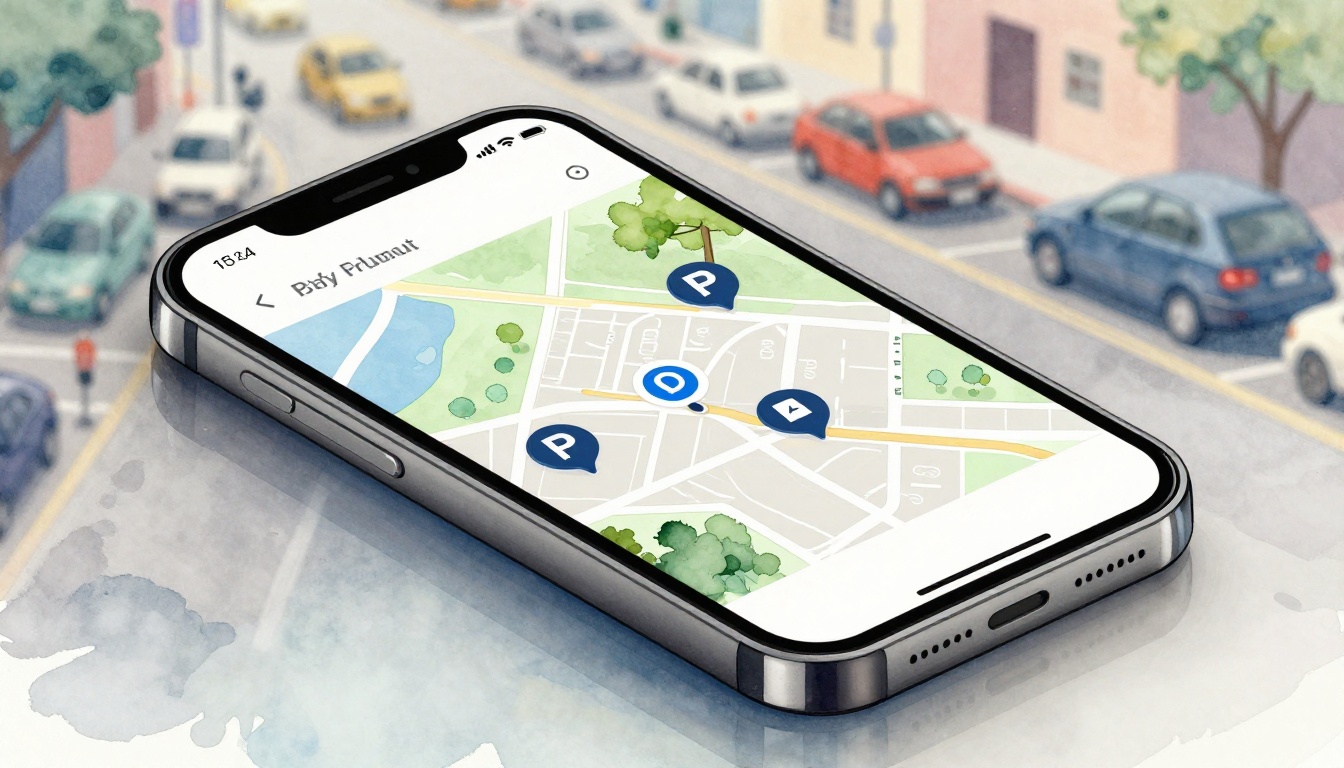
Mobile apps use GPS to show where you are and what’s around you right now. Instead of driving two blocks just to “look,” you can see street parking, garages, and lots in a single view. Then you pick what fits your day, like “closest spot” for a quick stop or “lowest daily rate” for downtown errands.
The best part is how quickly you can narrow the choice. Many apps let you filter by price and distance, so you don’t waste time comparing random results in your head. Also, some show clear details about the lot or garage, so you know what you’re getting before you arrive.
For example, apps like ParkMe focus on helping you find the cheapest and closest option, with pricing shown on a map. If you want to see how their app presents parking options, check out ParkMe parking app.
Here’s the practical effect: less circling, fewer slow loops, and fewer “I’ll figure it out when I get there” moments.
See Prices and Types at a Glance
Prices vary a lot, especially in popular areas. Mobile apps handle that mess for you by sorting options you can actually compare. You might sort by:
- Price first, when you’re trying to stay on budget
- Distance first, when you’re walking with bags or kids
- Type first, if you prefer a garage over street parking
Also, many apps show whether the space is on-street, a garage, or a lot. That matters because your time risk is different. Street parking can mean shorter walking distance, but garages can mean more predictable rules.
Link Straight to Navigation
Once you pick a spot, the app should guide you there. Many parking apps connect with mapping apps like Google Maps or Apple Maps, so you get turn-by-turn directions to the exact location.
That reduces the “dead time” between choosing a parking option and actually arriving. In other words, you avoid the awkward moment where you park, then realize you don’t know where to go next.
Pay and Extend Without Leaving Your Car
Paying at a meter sucks when you’re holding time in your hands. Mobile apps replace coins and meter machines with quick payments in your car, at the curb, or right before you walk in.
Most apps support cashless payment methods, including credit cards and mobile wallets. Then, instead of walking back to refill a meter, you can extend your session from your phone if your plans run late. That’s how you avoid the “oops” that leads to tickets.
Apps like ParkMobile, Passport Parking, and PayByPhone cover on-street and garage parking in many major cities. Also, a big reason people stick with these apps is that they work in bad weather too. You don’t have to stand in the rain with a time limit ticking.
If you want an example of how one app handles pay, zones, and alerts, Passport Parking describes the process right on its site at Passport Parking app.
Quick Tap to Pay Anywhere
A typical flow looks simple because it should be. You open the app, confirm the zone or spot, choose your time, and pay. Then you’re done.
In some areas, the app lets you use a scan or zone ID, so you don’t guess. After payment, you usually get a receipt or session details in the app (and often by email). That helps when you need to track expenses later.
Some apps also support special use cases, like parking for events. You pay once, then manage your session without returning to a meter.
Get Alerts Before Time Runs Out
Push notifications do a lot of the safety work. Instead of checking the clock every few minutes, you get alerts when your session is almost over.
When you see that warning, you can extend with a tap. That small habit prevents a lot of late returns and last-minute stress. Also, receipts make your parking history easy to review.
As a result, mobile parking feels less like “fighting parking” and more like staying in control.
Reserve Spots Ahead and Save Big
Some trips don’t mix well with surprise parking. Weeknight concerts, airports, and big events can turn parking into a timed challenge. That’s where reservations matter.
SpotHero and other reservation apps let you book ahead. Then you show up to the facility at your selected time, often without circling at all. Many reservations include a guarantee tied to the spot and price you booked.
SpotHero also says you can save up to 50% when you book in advance. Those deals apply across many U.S. cities where you’d normally hate hunting for parking, including Atlanta, Denver, and Miami. If you want to see how their reservations work and their guarantee policy, use Find and Reserve Parking with SpotHero.
The real benefit is confidence. You stop treating parking like a gamble.
Perfect for Games, Concerts, and Travel
Think about the moments when “just park anywhere” backfires. You’re rushing toward a gate. You’re trying to get to a stadium entrance on time. You arrive early, but you still don’t know where you’ll actually park.
Reservations beat that. You book the spot, then you focus on the rest of your day.
Track Real-Time Availability and Smart Forecasts
Some apps do more than list parking. They update information while you drive. Depending on the city and the lots involved, apps may use live data feeds to show open spaces, changing rates, and current availability.
When you see real-time availability, your route gets smarter. Instead of aiming for a vague area, you can aim for a specific option that matches what’s open now.
Meanwhile, some apps also add forecasts. For example, they may predict when rates change, or when availability is likely to improve based on patterns. It’s not magic, but it helps you avoid bad timing.
Live Updates from City Sensors
In areas with connected parking management, apps can pull data from city systems and on-site sensors. That means your map doesn’t stay frozen in time.
So when you check the app while you’re two minutes away, you’re making a choice based on the latest info. As a result, you cut “drive to check” behavior and reduce extra trips.
Predict When Spots Open Up
Forecasts work like planning weather. You can’t control traffic, but you can choose better timing. Some apps track typical demand patterns by time and day. Others send alerts for upcoming availability changes.
Also, parking apps for businesses can use the same data to manage fleets and shared vehicles. That matters for commercial drivers who don’t have the time to hunt manually.
Even simple predictions reduce uncertainty, and uncertainty is what makes parking feel stressful.
Top Parking Apps to Grab in 2026
The lineup changes by city, but the top names tend to share the same core promise: fewer wasted minutes and fewer surprises. Here’s a quick comparison of popular options mentioned most often.
| App | Best For | Common Features |
|---|---|---|
| ParkMobile | On-street and garages | Pay-and-go, reservations, alerts |
| SpotHero | Booking ahead | Compare options, guarantees, manage reservations |
| Passport Parking | Meter replacement | Pay from phone, extend sessions, receipts |
| ParkMe | Finding cheaper spots | Map-based pricing, navigation to options |
| ParkWhiz | Events | Event parking deals and reservations |
A couple of quick notes from 2026 coverage trends: ParkMobile serves over 500 cities, and SpotHero operates in over 400 cities. That wider coverage matters if you travel often, because you don’t want to juggle a different app every weekend.
Apps also keep improving through mobility integrations, like connecting with navigation and other “on the go” tools.
Conclusion
Mobile apps help with parking by cutting the two biggest headaches: time wasted and payment mistakes. You find the spot faster, pay from your phone, and extend without rushing back to a meter. Best of all, real-time updates and reservations turn parking from a guessing game into a plan.
Next time you’re headed out, pick one app that covers your common spots, like ParkMobile or SpotHero, then use it on your next trip. After that, share what worked (and what didn’t) in the comments, so other drivers can plan smarter.