
You run a quick errand, you come back, and suddenly the parking bill feels like it jumped seats mid-trip. That sting is common in 2026 cities where pricing gets more “responsive” to what’s happening on the curb.
The good news is that how parking fees are calculated usually follows a pattern. Once you recognize the pattern, you can predict when your total will spike, and you can avoid the most expensive minutes.
Parking costs typically depend on a few big levers: time, location, demand, and vehicle type. Then, each parking method (meters, garages, airports, and events) adds its own quirks.
Next, let’s break down those levers so you can do simple math on the fly, not guess after the fact.
What Drives Your Parking Cost? Key Factors Explained
Think of parking pricing like a takeout menu with small changes that add up fast. One option looks cheap, but the total jumps after a rule kicks in.
Most fee systems boil down to four main factors:
- Time duration (hourly rates, flat daily caps, or tiered steps)
- Location (prime blocks cost more than side streets)
- Demand (busy areas can price up during peak periods)
- Vehicle type (EV perks, oversized vehicles, and special permits)
Start with time, because it’s the easiest to measure. Then check location and demand, because those decide whether the rate stays steady or climbs. Finally, factor in vehicle rules, since they can either lower your cost or add a surcharge.
Also, keep one idea in mind: many cities set goals around turnover. They want enough available spaces so people don’t circle for long.
For a real example of how cities use data to set rates, see Seattle’s Performance-Based Parking Pricing Program. It shows how time limits and prices tie to occupancy targets, not just “what feels fair.”
Time: Why the Clock Ticks Up Your Bill
Time rules come in several common formats. Some meters charge by the hour. Others charge by zones. Some garages start cheap and then ramp up.
Here’s a simple tier example that matches how many systems feel in real life:
- First hour: $5
- Next 1 hour: $3
- After that: a higher tier (or a daily flat rate)
So if you stay 2 hours, you might pay $8. If you stay 4 hours, you pay for more tiers or you hit a daily cap.
Another detail trips people up: rounding. Many systems charge in steps, not to the minute. If your app shows time remaining, still watch for rules like “maximum session length” or rate changes at set time marks.
Here’s how the same “two hours” can cost more depending on where you park.

Also, watch for the “day boundary” problem. If you park at 11:30 p.m. and leave after midnight, some systems switch to a new rate after a certain time. That can turn a “cheap evening stay” into a surprise charge.
Bottom line: time math is mostly predictable. The only wild card is when rates shift by hour, zone, or midnight.
Location and Demand: Hot Spots Cost More
Location is the most visible pricing factor. The closer you are to busy blocks, the higher the base rates tend to be. Think of it like rent: land value rises with foot traffic, office density, and limited curb space.
Demand adds movement to that base price. When lots fill up, rates can increase to slow demand. In some places, the change is gradual. In others, it can feel sudden.
In 2026, more systems use dynamic or responsive rates. These can adjust based on occupancy and turnover goals. Sometimes they also change around major events.
For an example of how that kind of system works in practice, check reporting on Cleveland’s dynamic, responsive parking rates. The city describes using standard and dynamic response rates, based on feedback and real usage.
A quick way to spot demand-based pricing is to watch the same street at different times. If the rate looks higher during lunch and lower late afternoon, demand is likely driving it.
In addition, many programs aim for an occupancy window. Seattle’s public program materials explain the general goal of keeping spots available per block, so drivers can find spaces sooner.
So what should you do as a driver? Plan around peak windows. If your destination is on a high-demand corridor, arrive earlier or be flexible with your departure time.
Vehicle Type: Not All Cars Pay the Same
Not every vehicle gets the same price treatment. Some of it is practical, some of it is policy.
Common examples include:
- EV and plug-in hybrid perks (discounted parking, free charging benefits, or priority access)
- Oversized vehicles (trucks and vans sometimes cost more due to space needs)
- Multi-day or permit rules (commercial vehicles and residents may have different schedules)
In many cities, EV perks are tied to local sustainability goals. Even when the base meter rate stays the same, EV rules can change the total through credits, free time, or charging add-ons.
Garages can also vary prices based on vehicle size. Taller vehicles may require different entrances or use different sections. Some facilities price by class (standard, oversized, or accessible).
Finally, some parking lots bundle your vehicle situation into access rules. For example, a garage might be priced per “event day” for all vehicles, but EV charging spots could have separate pricing or discounts.
Quick takeaway: vehicle type can be the easiest “hidden” savings. If you drive an EV, always check for charging-linked discounts before you pay for a regular session.
Parking Types and Their Unique Pricing Tricks
The same time and demand can lead to very different totals depending on where you park. A street meter, a surface lot, and a garage all price differently.
Here’s the core idea:
- Meters often use hourly or zone-based rates.
- Garages often use tiered hourly pricing that transitions into daily caps.
- Airports often use flat daily pricing tied to how full they are or how long you stay.
- Events often spike based on crowd size and limited supply.
Seattle’s street pricing is a good example of how cities publish clear rate tables. Their Paid Parking Rates page shows how rates vary by street area and time of day.
Street Parking: Metered and Demand-Zoned
Street parking usually follows the simplest logic: pay for time in a specific zone.
You’ll often see rules like:
- Max stay limits (like 2 hours or 10 hours)
- Rate changes by time of day (morning, afternoon, evening)
- Free periods on certain days (like Sundays, in many systems)
In busy neighborhoods, short max stays help rotate spots. That’s why a “quick stop” can cost more than you expect if the rate changes at the hour you’re still parked.
One trick that helps: check whether your zone price changes during the time you’ll likely be parked. If your appointment starts at 1:40 p.m., you don’t want to buy a session based on a morning rate that’s already gone.
If your city uses pay-by-phone, you can sometimes estimate the session total before you finish. Still, keep an eye on rounding and session limits.
Garages and Lots: Tiered for Long Stays
Garages and many surface lots tend to do something street meters rarely do: they make longer stays “feel less painful” by using tiers and daily caps.
A typical pattern is:
- Lower cost for early hours
- Higher cost for later hours
- Daily maximum after you cross a threshold
That means your best move is often math, not intuition. If the daily cap is lower than the sum of hourly tiers, you may save money by planning to hit the cap window instead of extending hour by hour.
For owners and operators, the same logic shows up in revenue models. If you’re curious about how occupancy and rate structure combine, tools like the Parking BOXX parking revenue calculator show the variables operators track: spaces, occupancy, duration, and rate.
Here’s a quick “driver-side” view of the fee math idea.
| Parking type | Common fee structure | Simple way to estimate your total |
|---|---|---|
| Street meter | Hourly or zone-based | Rate per hour x hours stayed, then adjust for max stay or rate shifts |
| Garage | Tiered hourly, daily caps | Add hourly tiers until you reach the daily max |
| Airport lot | Flat daily (sometimes by lot type) | Daily flat rate x number of days, plus any hourly add-ons |
| Event parking | Flat or surge pricing | Base event rate x expected demand period, sometimes with limited session windows |
The takeaway is simple: garages reward smart timing. If you know you’ll stay longer, don’t assume the next hour is cheaper just because you’re already parked.
Airports and Events: Flat Fees with Surges
Airports often use flat daily pricing because it’s easier than hourly math for families and travelers. Still, the total can be high if your trip runs long or you leave later than planned.
Events work differently. Supply is limited, and everyone shows up around the same start time. As demand rises, prices can surge to manage the limited spots.
Here’s what to watch for at event venues:
- Higher prices during peak arrival and first-hour parking windows
- Limited session lengths, especially in curb-adjacent areas
- Separate lots with different pricing tiers, depending on distance from the gate
If you want to avoid a surprise, check the event rate window. Many lots label the “event period” even if the lot seems normal at other times.
City Spotlights: How Fees Stack Up in 2026
In big US cities, the “time, spot, demand” pattern stays the same, but the numbers shift. And in 2026, inflation and tighter curb space can push rates upward year to year.
Real-world ranges vary by block, time, and facility. Still, typical examples show the spread:
- NYC: street meters can run roughly $0.50 to $10 per hour, while garages can reach $27 to $28 for 2 hours and higher for downtown.
- LA: meters often range $0.50 to $5 per hour, garages vary widely, and airport daily pricing can hit $35 to $60 per day.
- San Francisco: street parking can run $2.50 to $12 per hour, and garages near the center often cost $200+ per month.
- Chicago: meters often land around $2 to $7 per hour, with airport daily parking often in the $42 to $77 per day range.
These are not rules for every block. They’re typical examples of how cities price scarcity.
So what does that mean for you? If you’re visiting, treat parking like a line item, not a footnote. If you commute, compare your normal lot to a backup option for peak days.
Also note one more driver of change: some cities adjust rates and zones over time. Reporting on Seattle’s street parking price changes shows how quickly the same street can shift after city decisions.
In short, the method is consistent, but the pricing level is city-specific.
2026 Trends Changing How You Pay to Park
By March 2026, the biggest change isn’t that cities invented new rules. It’s that you see the rules sooner.
Parking apps and pay-by-phone systems now help you check rates in real time. In many areas, that means you can adjust your session before you hit the next expensive tier.
Here’s what’s becoming more common:
- Dynamic pricing visibility: apps show rate changes tied to demand windows.
- EV perks and charging links: more lots pair parking with charging access.
- Easier “quote” behavior: pay apps often let you preview totals by session.
- Inflation pressure: operating costs rise, and pricing often follows.
If you want practical savings, do three small things:
- Use the app before you park when the option exists.
- Look for max stay limits so you don’t get trapped by a session cap.
- Scout EV and alternative lot deals if you’re in a dense area.
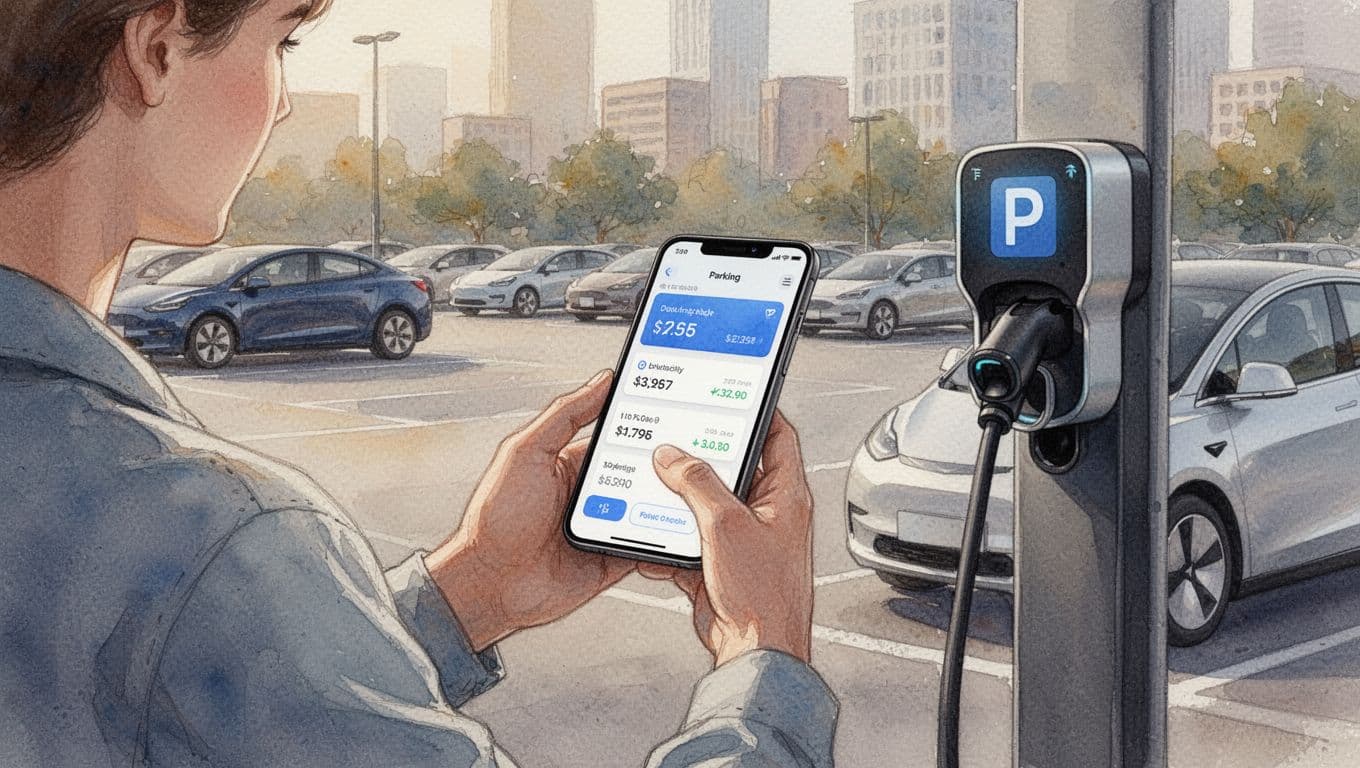
Even small time shifts can matter. If you can leave 15 minutes earlier, you might avoid a tier step or rate change. On a busy day, that can turn a “meh” stop into a much cheaper one.
Conclusion
Parking fees usually follow a clear logic: time and location set the base, then demand and vehicle rules decide how fast your total climbs. Once you read those signals, the surprise bill feels less random.
Next time you park, do quick mental math based on the tier or daily cap. If you drive an EV, check for perks first. Then pick your arrival and departure window like you’re planning around a lunch menu, not guessing after checkout.
If you’ve seen a parking fee spike in 2026, share what caused it. Was it a time tier, a demand surge, or an overnight switch?